AI code review tools compared for teams on Claude Code and Codex (2026)
Every AI code review bot reads the diff. Few read the acceptance criteria, none read the UX states, and each runs its own meter. Here is CodeRabbit, GitHub Copilot, Cursor Bugbot, Greptile, Claude Code Review, Codex, Rovo Dev and GitLab Duo side by side, with prices checked in November 2026.
The bot approved the diff. Nobody checked the feature.
Your coding agent opens a pull request. Within a minute a review bot leaves eleven comments: a missing null check, a variable name, a test that could be tighter. All fair. None of them say whether the export button handles an account with no invoices, which was acceptance criterion three in a Confluence page the bot never opened. The PR merges green, and the bug ships.
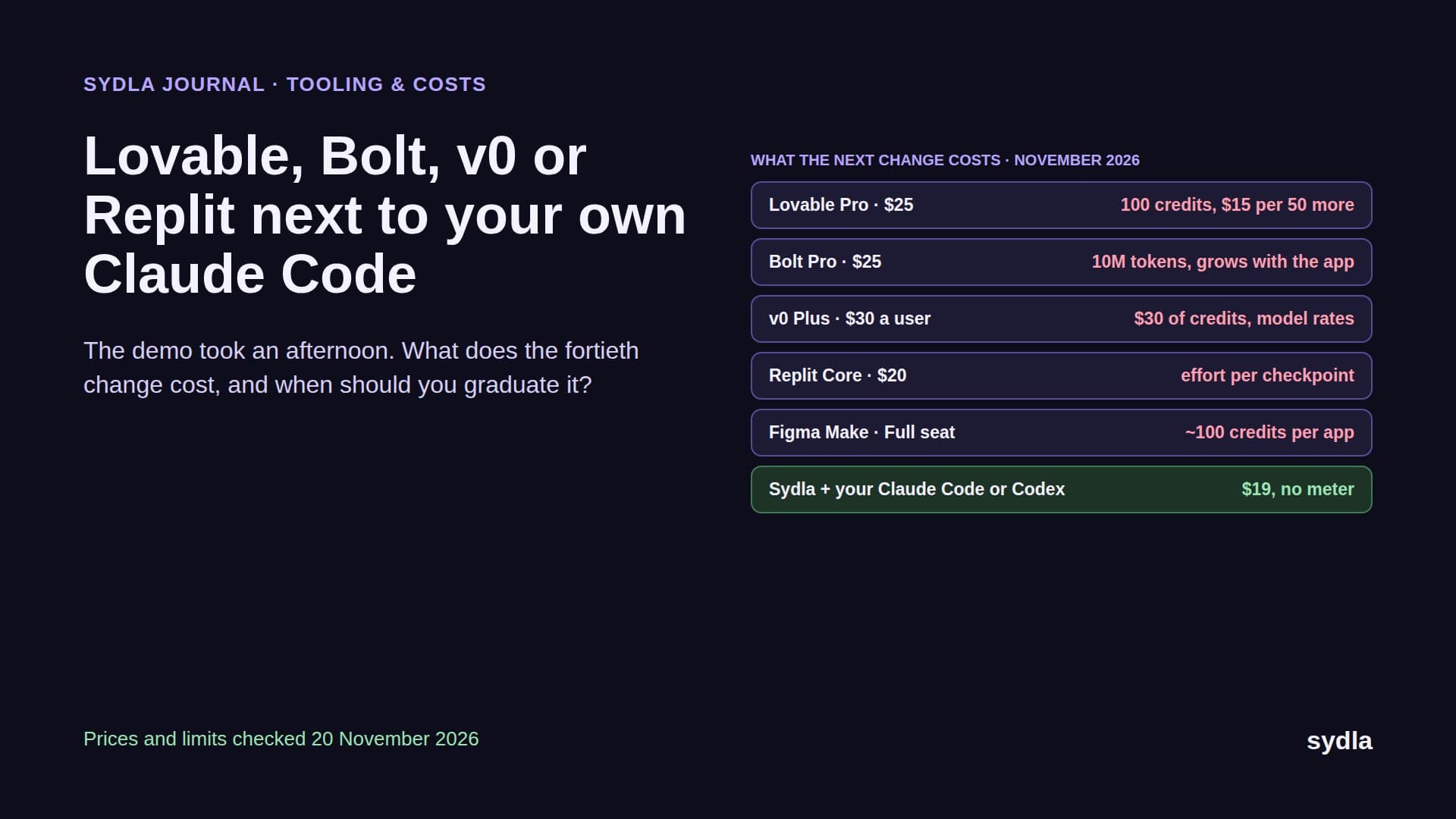
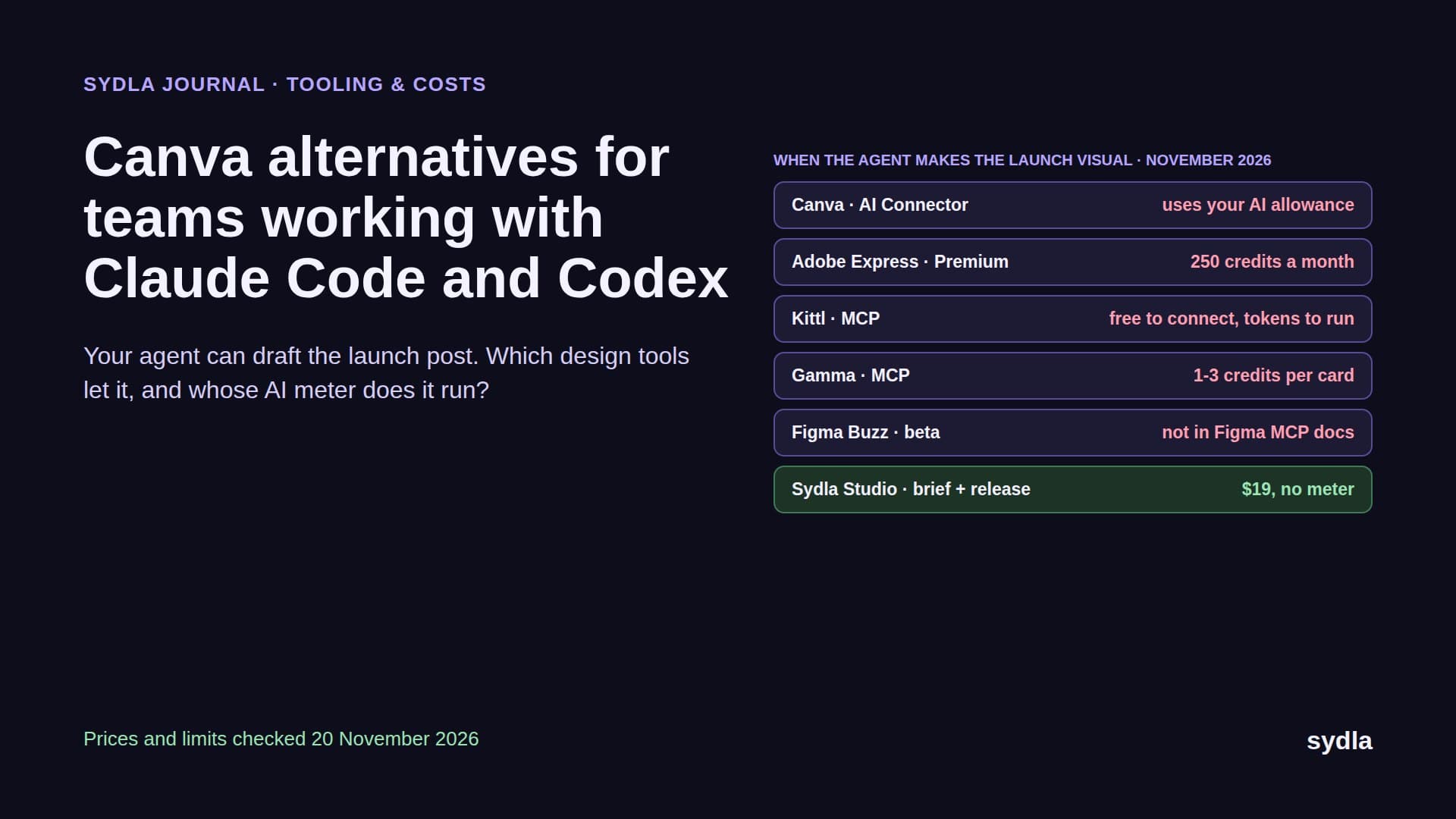
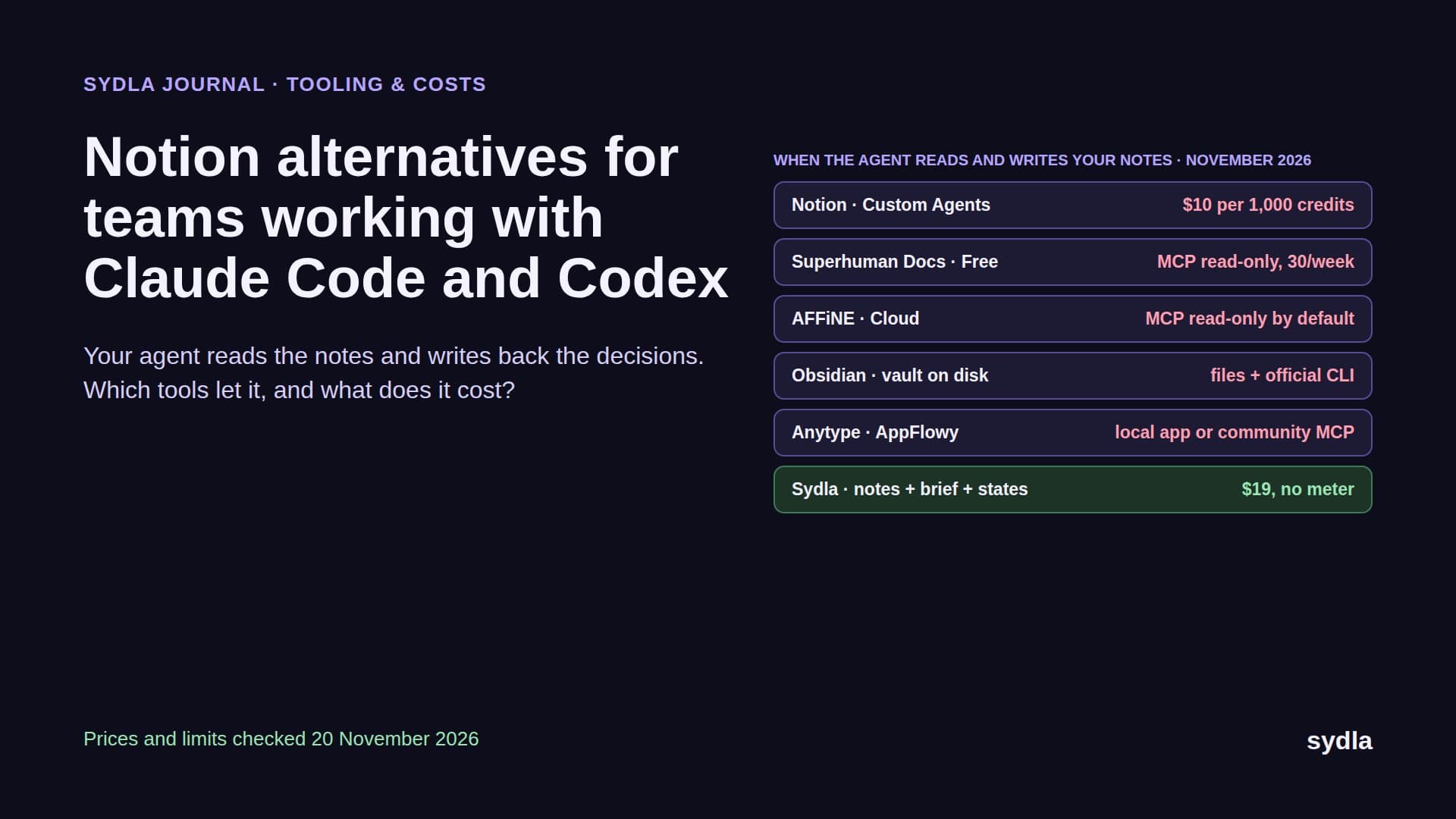
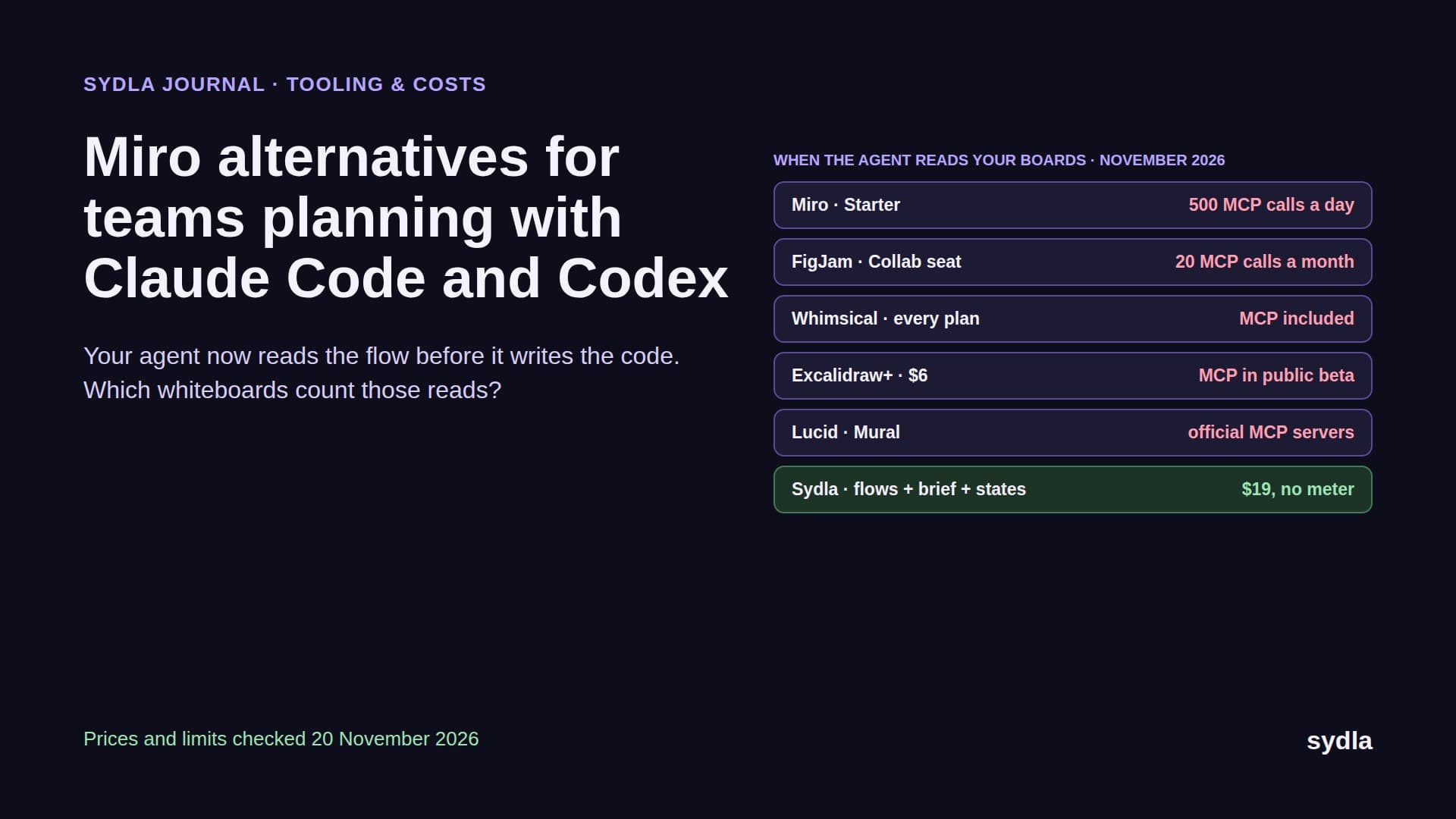
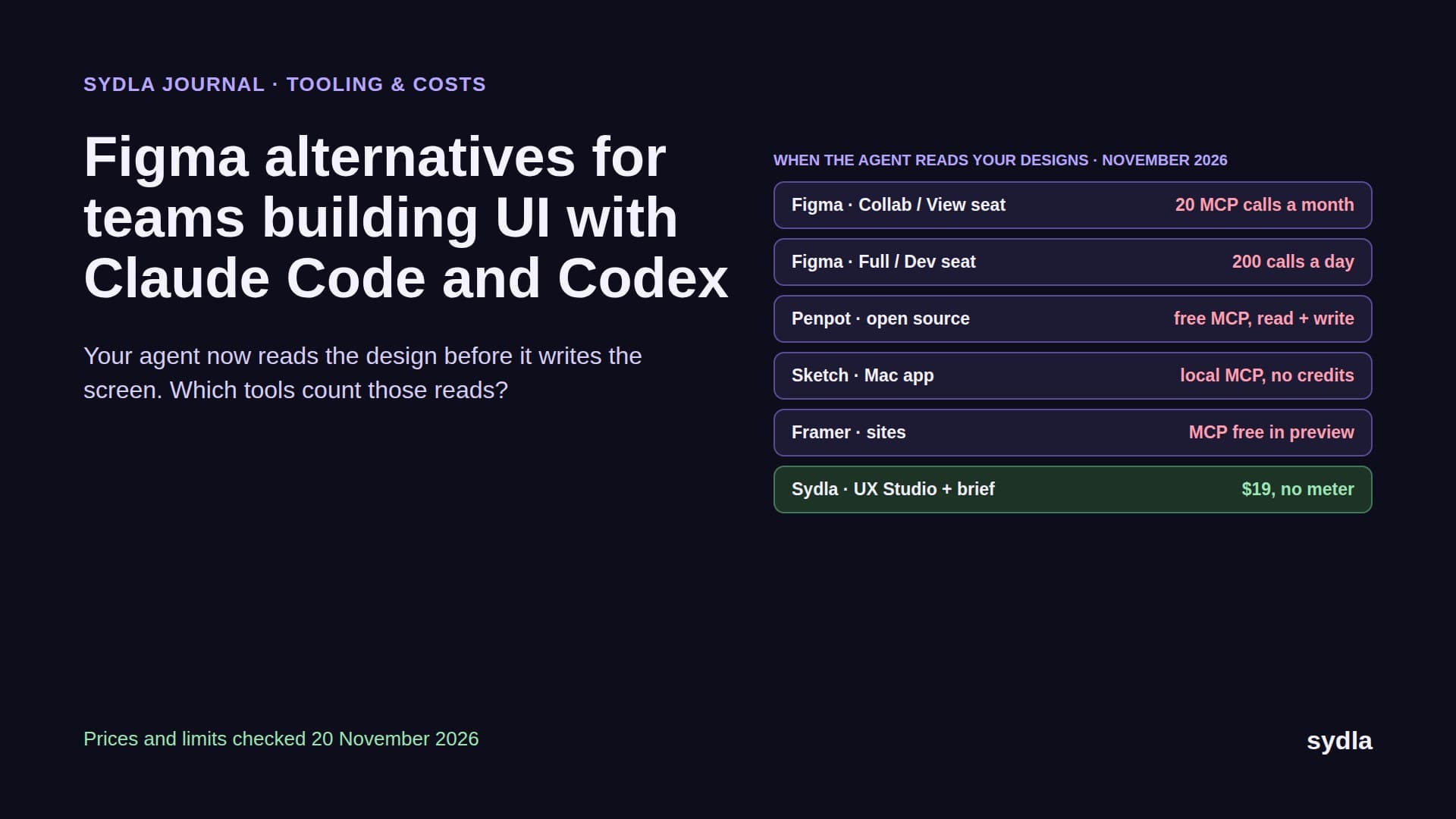
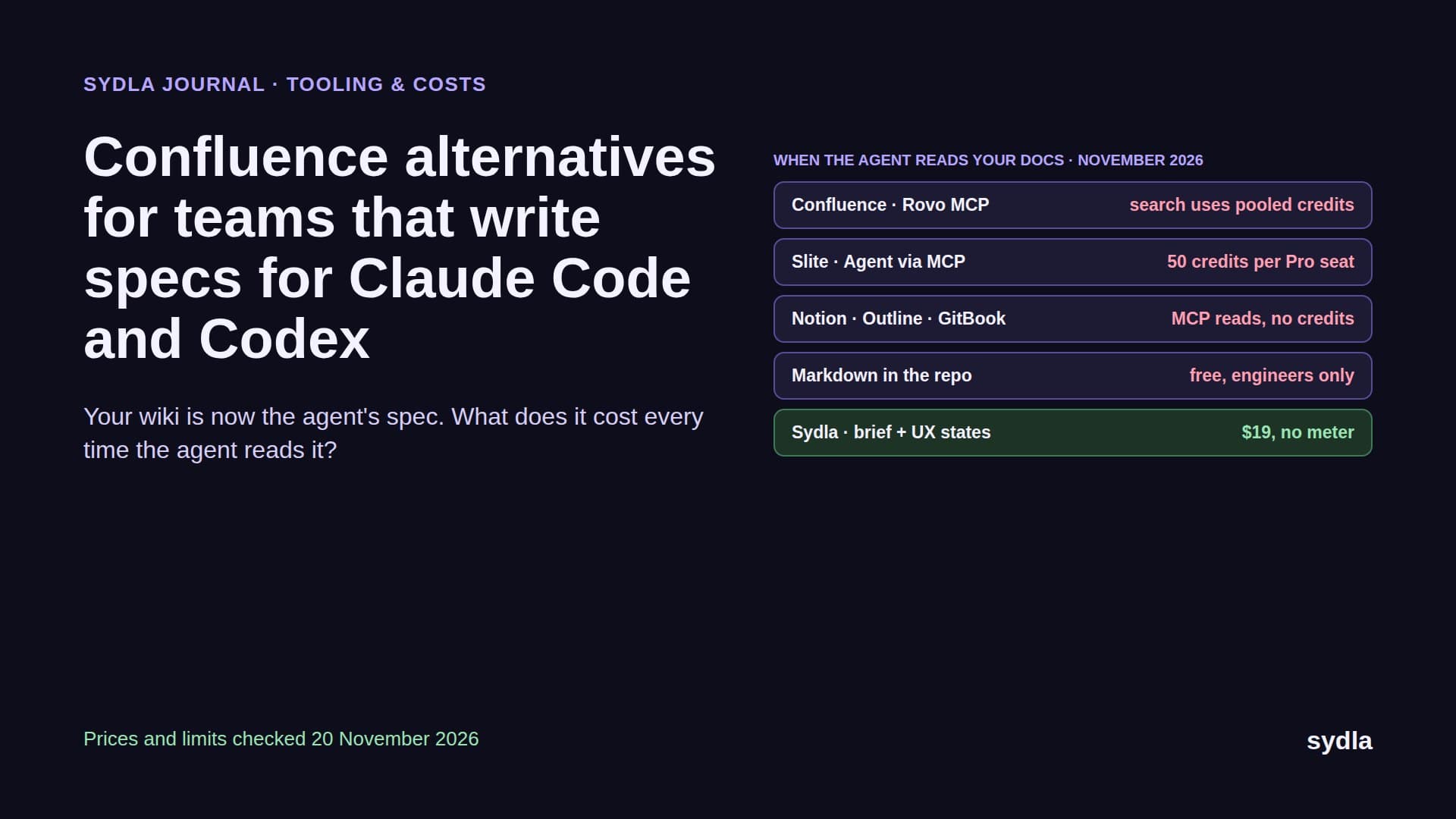
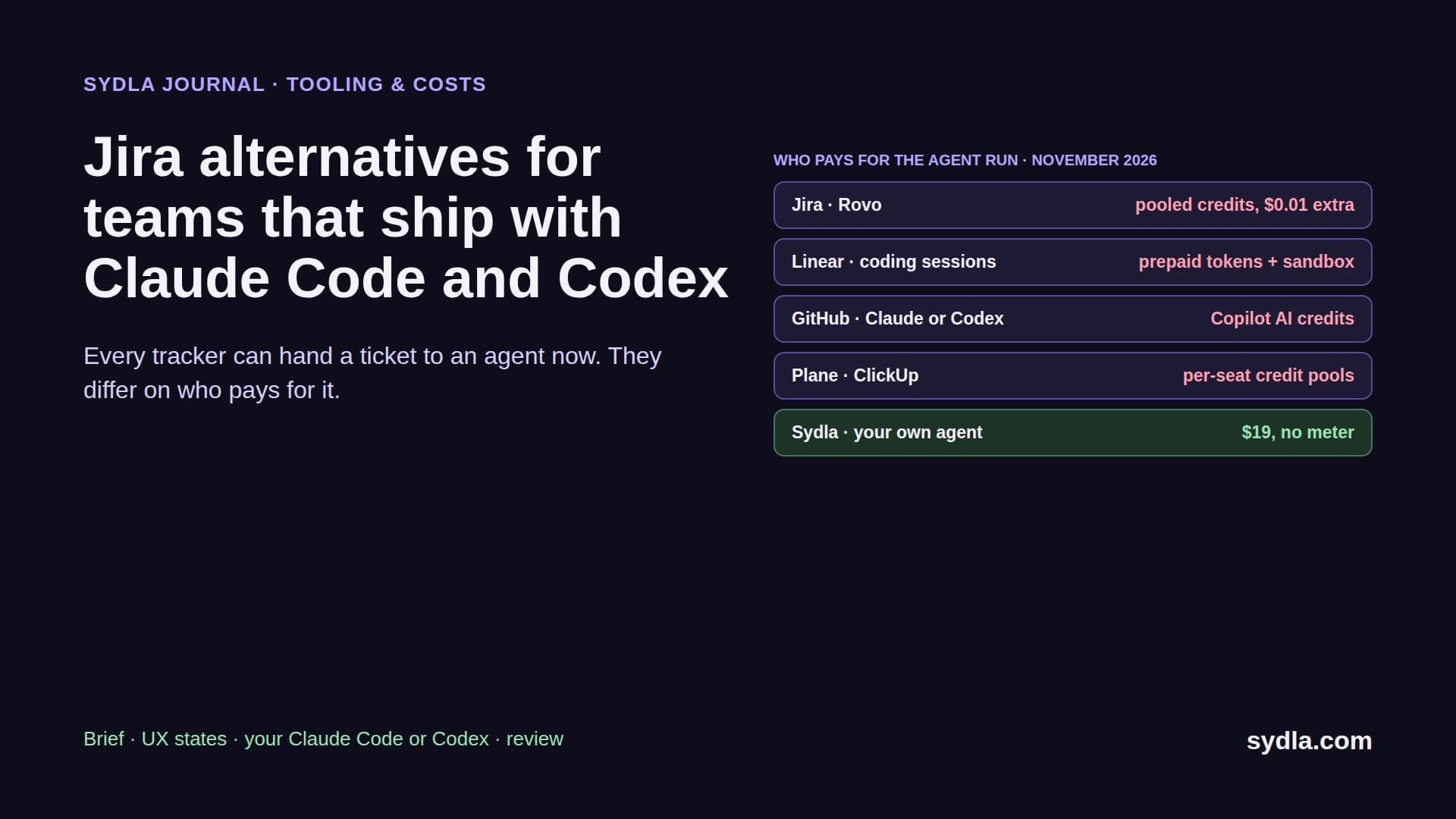
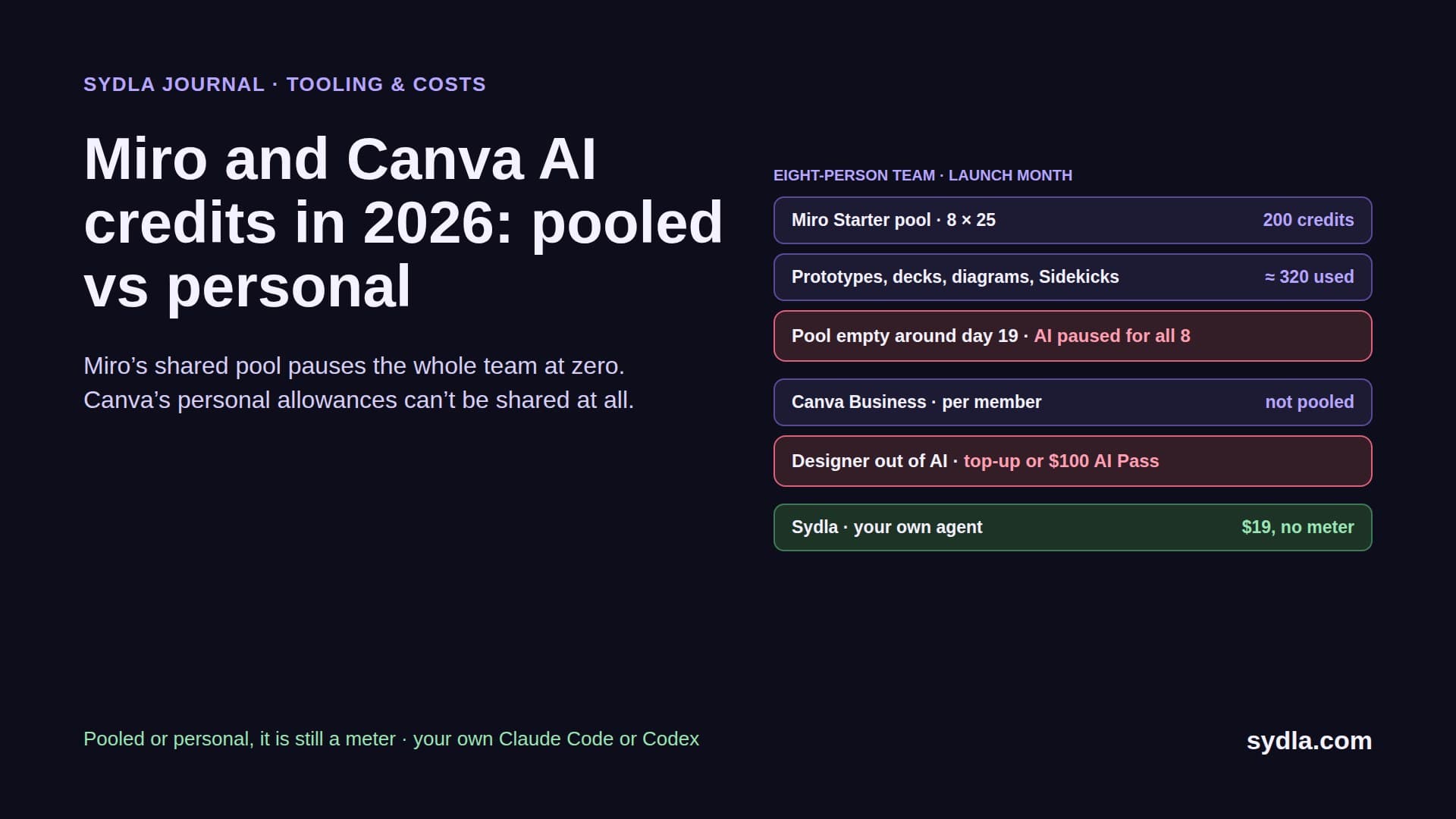
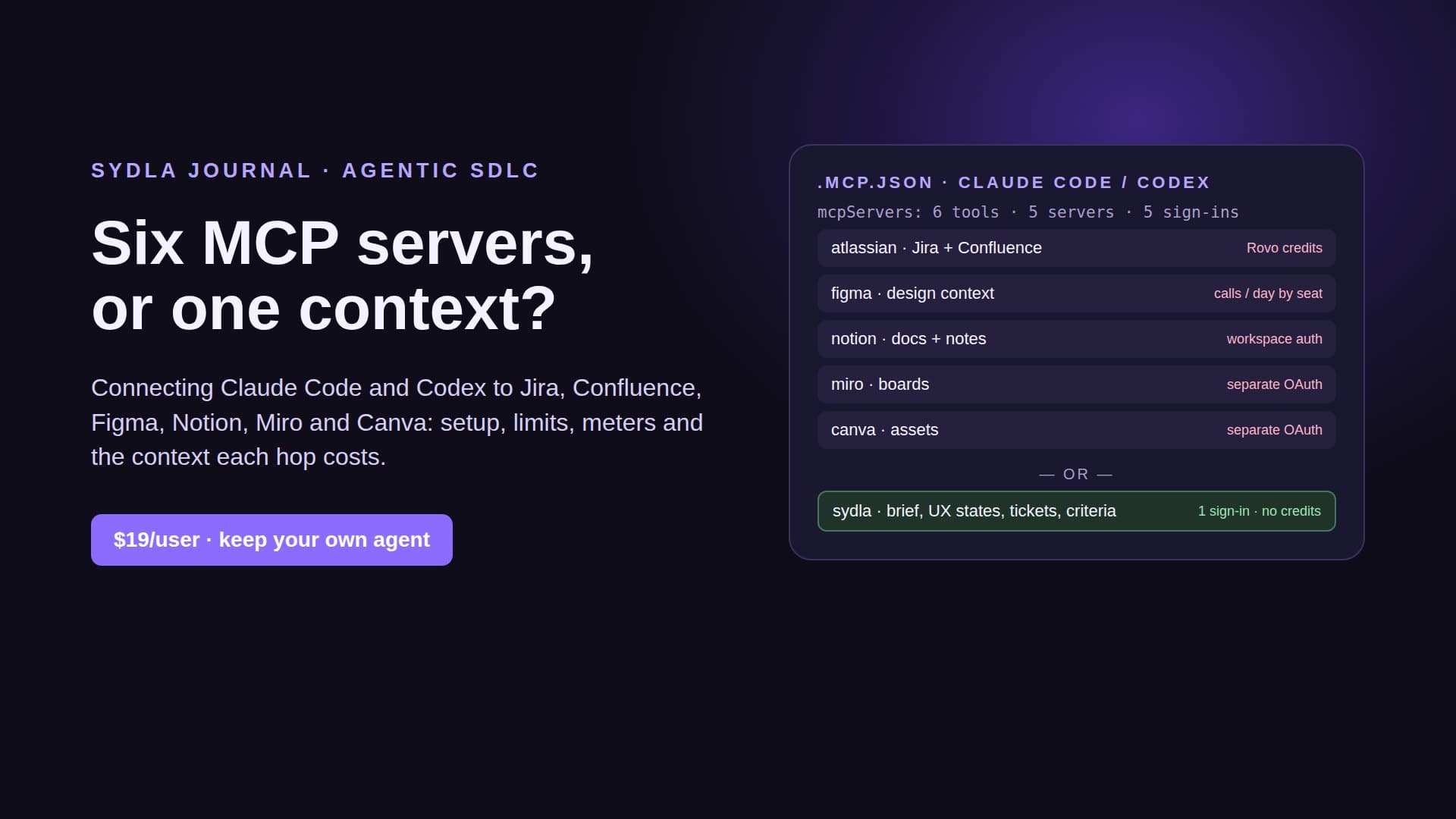
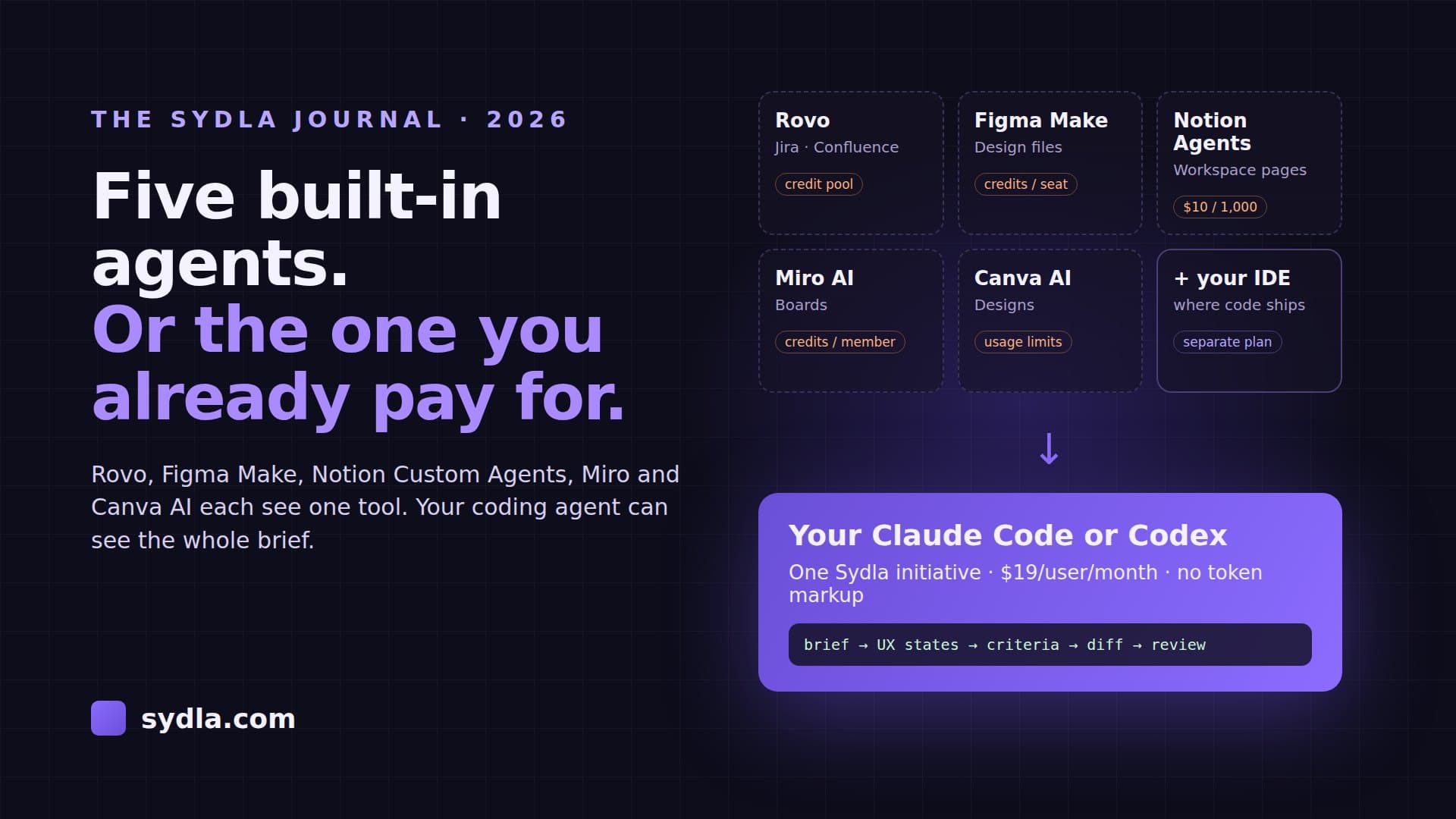
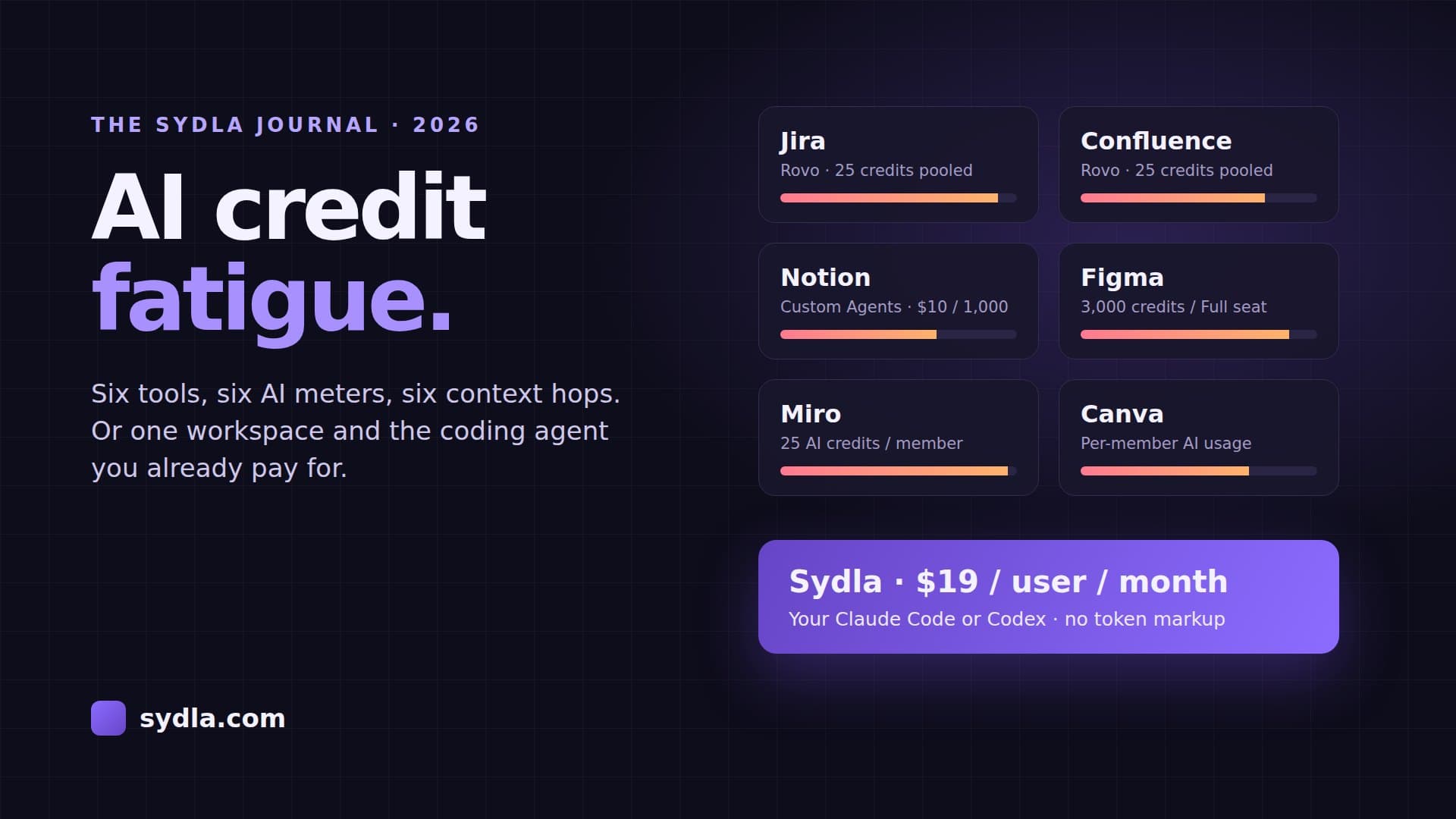
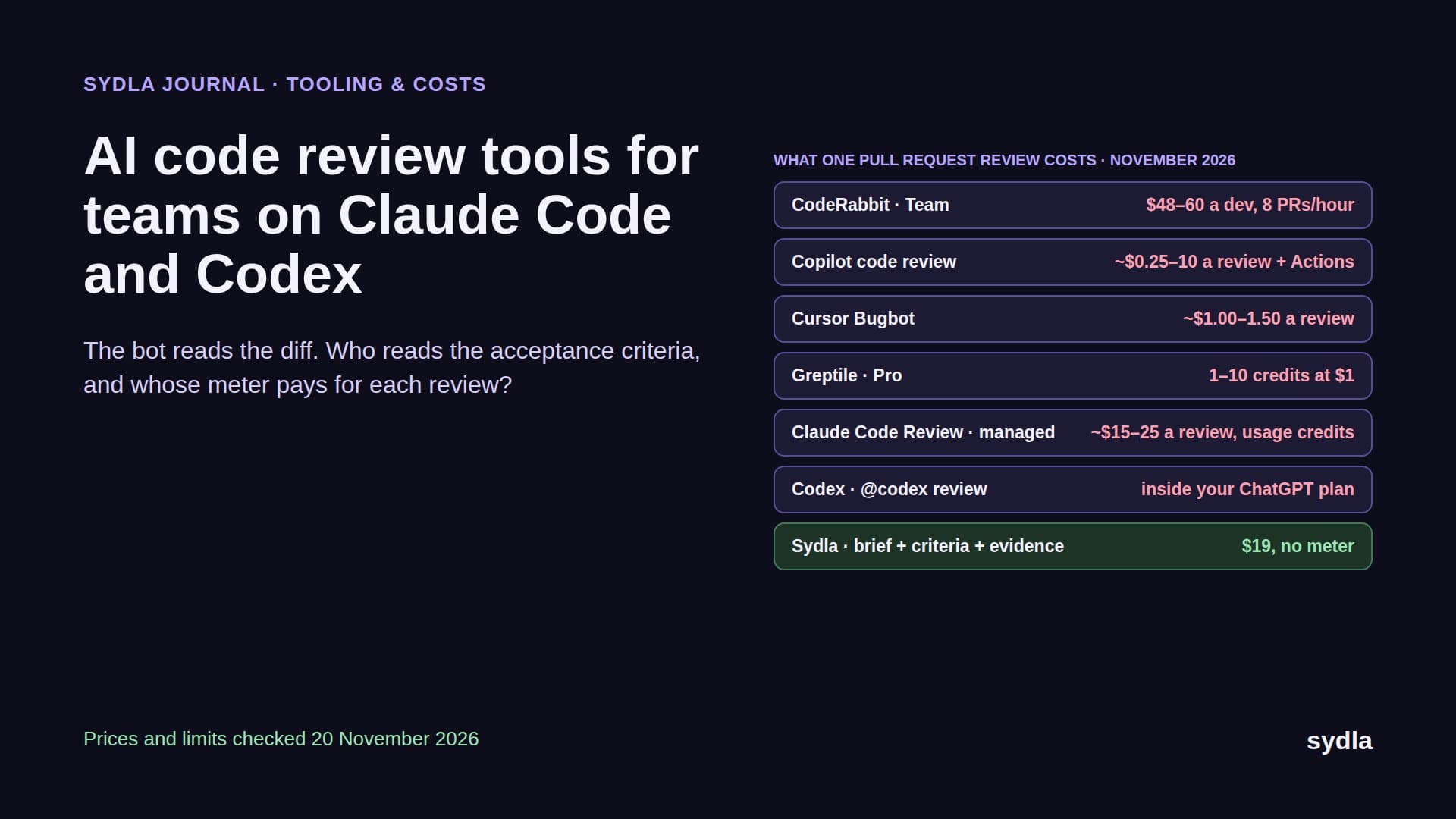
That is the 2026 code review problem. Agents now write more code than people can read, so teams add a second AI to review the first. Each reviewer reads the diff and a rules file. Most cannot see the ticket, none can see the designed states, and every one runs its own meter: per seat, per file, per credit or per token. Add it to the meters already running in Jira, Confluence, Notion, Figma, Miro and Canva, and review becomes the seventh line of AI credit fatigue.
This guide compares eight review options on what they cost per pull request, what they can actually see, and where they stop. Every price comes from the vendor's own page, checked on 20 November 2026. It builds on our guide to reviewing AI-generated pull requests, which covers the human side.
Four questions to ask any AI reviewer
Every review bot finds bugs in a diff. Ask how it behaves when the code was written by an agent working from a brief:
- How is a review billed? Per developer seat (CodeRabbit), per review in credits (Copilot, Greptile, GitLab Duo, Rovo Dev) or per token (Claude Code Review, Bugbot). Agents open many small PRs, so per-review pricing grows with agent output, not headcount.
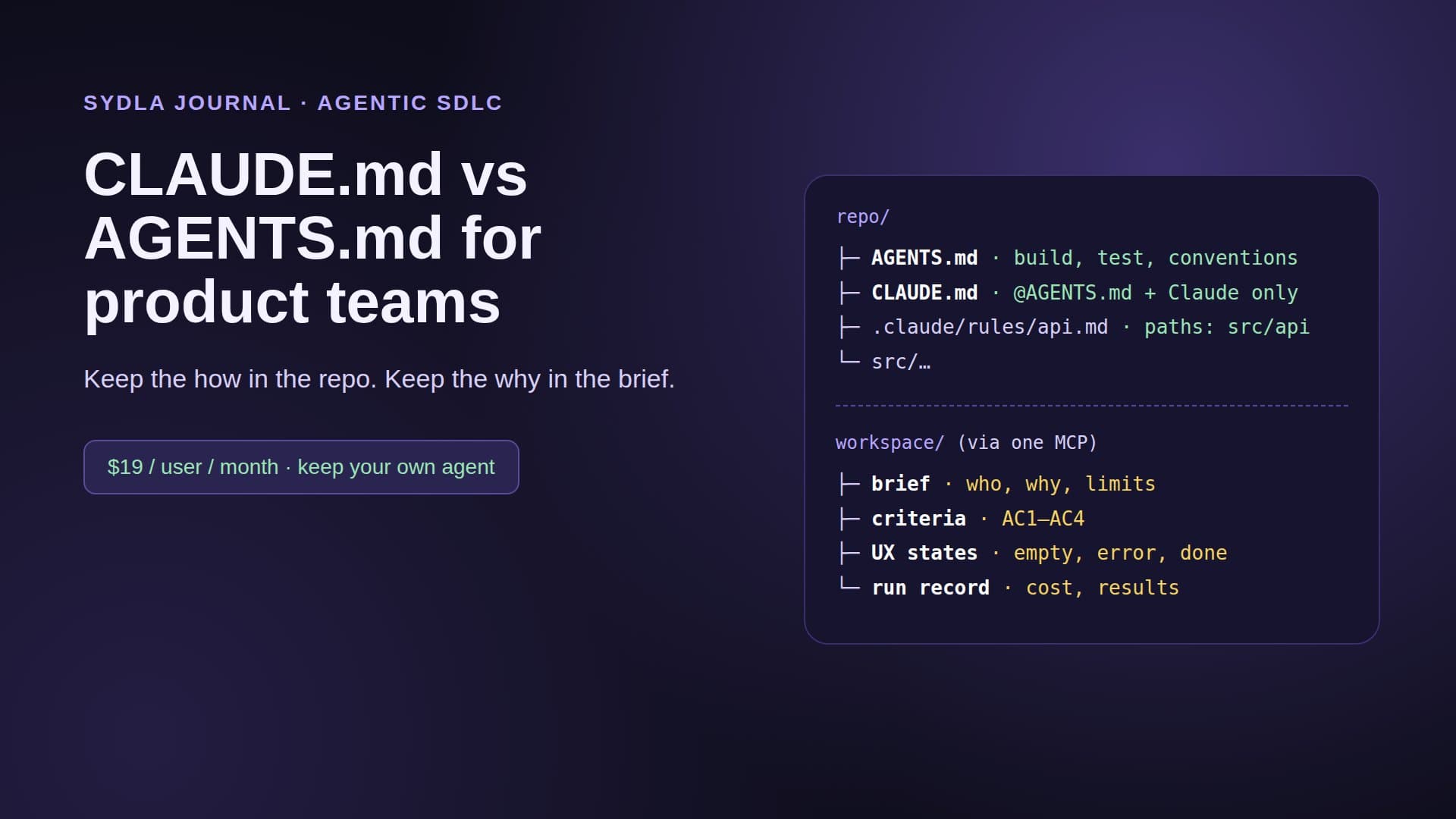
- Can it read the acceptance criteria? CodeRabbit, Greptile and Rovo Dev can pull Jira or Linear issues. Copilot, Bugbot, Claude and Codex review from the diff plus a rules file such as AGENTS.md or CLAUDE.md, unless you wire in another MCP server.
- Can it see what the screen should look like? None of the bots read designed states. A reviewer that never saw the empty state cannot tell you it is missing.
- Who decides? Claude Code Review never approves or blocks. GitLab Duo can approve or request changes in beta. Whatever the tool, a named person should own the merge.
Eight AI code review options, side by side
The table shows the plan a small team would buy and the price of a single review where the vendor publishes one. Prices are per month before tax.
| Reviewer | Price | How a review is billed | Reads tickets and criteria? | Hosts |
|---|---|---|---|---|
| CodeRabbit Team | $60 a developer ($48 yearly) | Seat, only for developers who open PRs; 8 reviews per developer an hour; overflow $0.25 per reviewed file | Yes: Jira, Linear, GitHub and GitLab issues, Azure Boards | GitHub, GitLab, Bitbucket, Azure DevOps |
| GitHub Copilot code review | Business $19 a user | AI Credits since June 2026: about $0.25 Lite, $1.50 Balanced, $10 Max a review, plus Actions minutes on private repos | No; reads copilot-instructions.md and AGENTS.md | GitHub, Azure DevOps |
| Cursor Bugbot | From Premium $30 | Usage-based; average review $1.00 to $1.50; large PRs skipped | Not documented; rules in BUGBOT.md | GitHub, GitLab, Bitbucket, Azure DevOps |
| Greptile Pro | $1 per credit, no seats | 1, 3 or 10 credits a review by depth; Starter 50 free credits | Yes: Jira, Linear, Notion | GitHub, GitLab, Bitbucket, Gitea |
| Claude Code Review | Team or Enterprise plan + usage | Token usage billed as usage credits, monthly cap; launch average $15 to $25 a review | No; reads CLAUDE.md and the repo | GitHub only |
| Codex review | ChatGPT Plus $20, Business $25 | Inside your Codex usage; GitHub reviews have their own usage bucket | No; follows Code Review Rules in AGENTS.md | GitHub; GitLab in beta |
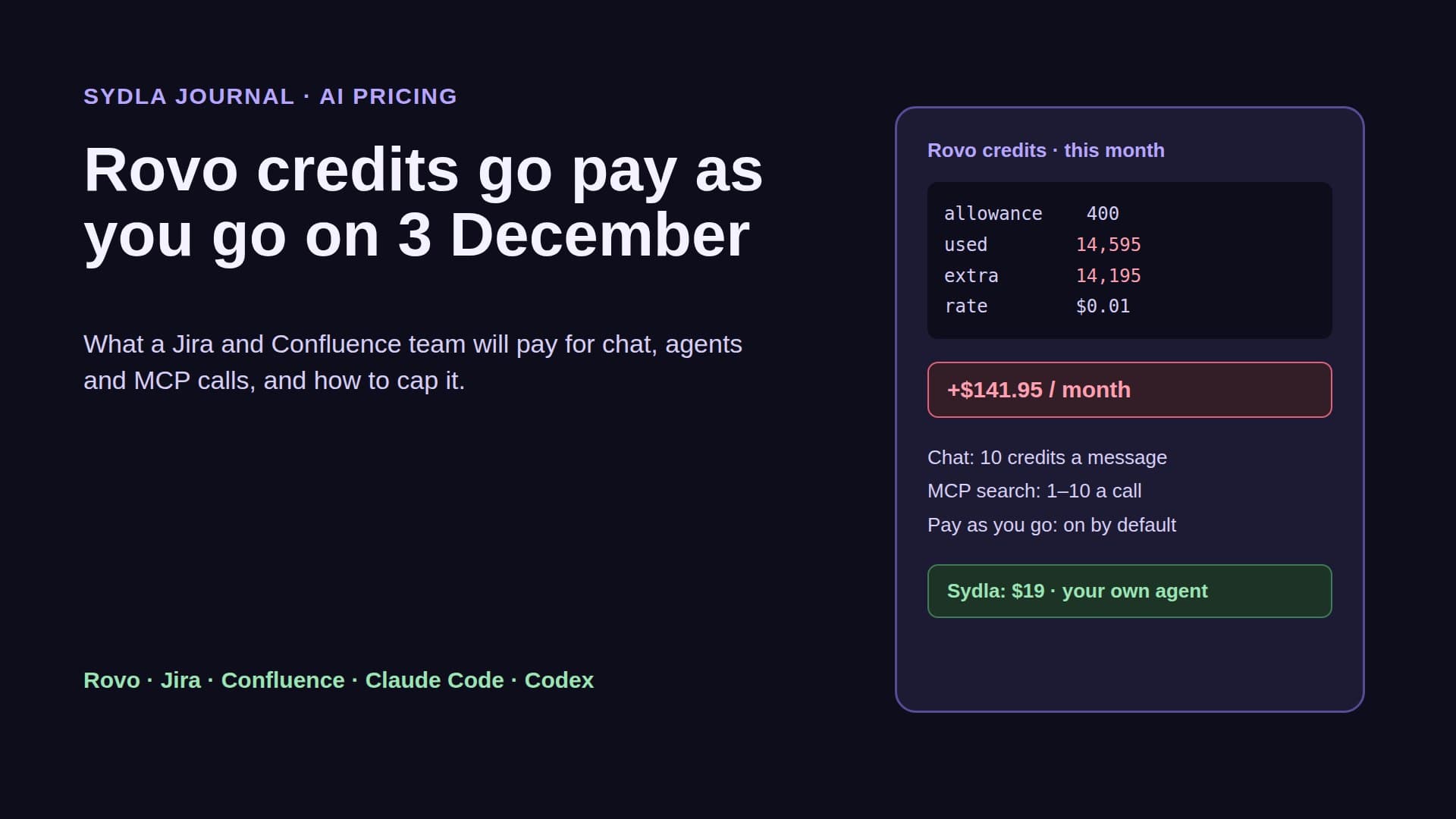
| Rovo Dev Code Reviewer | With paid Jira | Variable Rovo credits from the shared pool, billed from 3 Dec 2026 at $0.01 a credit | Yes: Jira summary, description and criteria | Bitbucket Cloud, GitHub |
| GitLab Duo Code Review | Premium $29 a user | 0.25 GitLab Credits ($0.25) per Lite review; Standard varies | GitLab issues | GitLab |
What each reviewer does well, and where it stops
CodeRabbit is the most complete standalone reviewer. It runs on all four major Git hosts, pulls Jira and Linear issues into the review and does what it calls requirement validation against the acceptance criteria. The seat price is the catch for small teams: $60 a developer on Team, or $48 yearly, though you only pay for people who open PRs. Agent-heavy teams should watch the hourly limit (8 reviews per developer on Team) and the $0.25-per-file overflow. Public repositories are free.
GitHub Copilot code review moved to usage-based billing on 1 June 2026. A review now costs AI Credits by depth, about $0.25 on Lite, $1.50 on Balanced and $10 on Max, and on private repositories it also burns GitHub Actions minutes. It is the obvious default for teams already paying for Copilot Business at $19 a user. It reads AGENTS.md and instruction files, but not your tickets.
Cursor Bugbot is tuned to find real bugs with few false positives. It is included from the Premium plan, and Cursor puts the average review at $1.00 to $1.50 of usage. Rules go in BUGBOT.md (Cursor's normal rules files do not apply), and it skips PRs above an unpublished size limit, so a large agent refactor may get no review at all.
Greptile charges per review, not per seat: $1 a credit, with 1, 3 or 10 credits depending on depth. That suits teams with many occasional contributors. Pro integrates Jira, Linear and Notion for context.
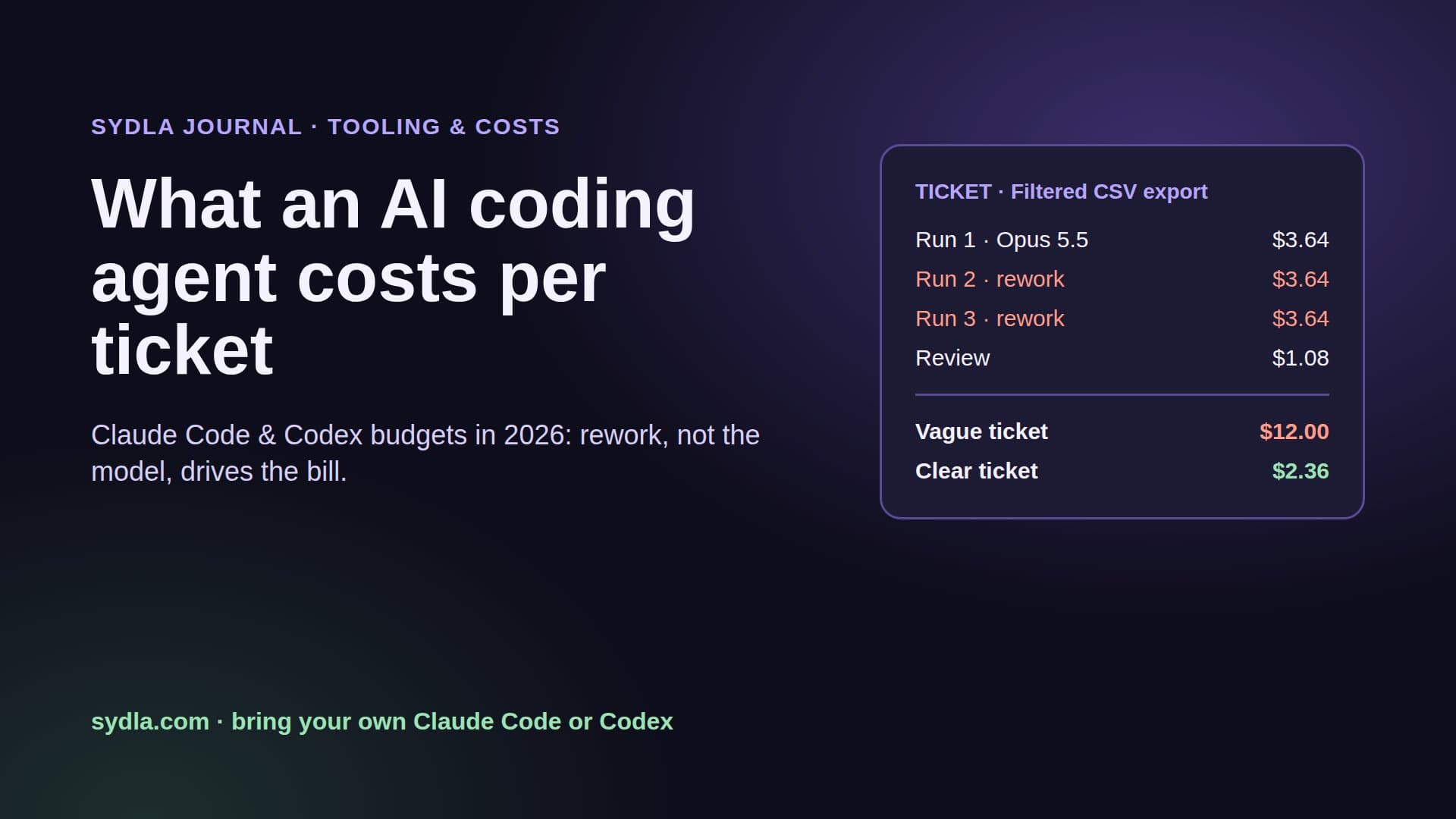
Claude Code Review is Anthropic's managed reviewer for Team and Enterprise plans, generally available since 15 October 2026. Several agents read the diff in parallel, a verification step filters false positives, and findings are ranked by severity. It is also the priciest per PR: there is no flat price, but the March launch post put the average at $15 to $25 in usage credits, on top of your plan. If you already use Claude Code, the local /code-review command runs on any plan inside your normal usage and can post comments to a GitHub PR or a GitLab MR.
Codex review is the cheapest to switch on if your team pays for ChatGPT: mention @codex review on a PR, or turn on automatic reviews. It flags only high-priority issues and follows a Code Review Rules section in AGENTS.md. GitLab support is in beta on every ChatGPT plan. OpenAI does not publish a per-review credit figure, so watch your usage page for the first week.
Rovo Dev Code Reviewer and GitLab Duo are the platform options. Rovo Dev is the only one that checks each Jira acceptance criterion and marks it met, missing or needing a manual check. From 3 December 2026 every review spends a variable number of credits from your Atlassian pool, as our Rovo credits guide explains. GitLab Duo charges a flat $0.25 per Lite review, the most predictable price on this list.
What review costs a three-person team
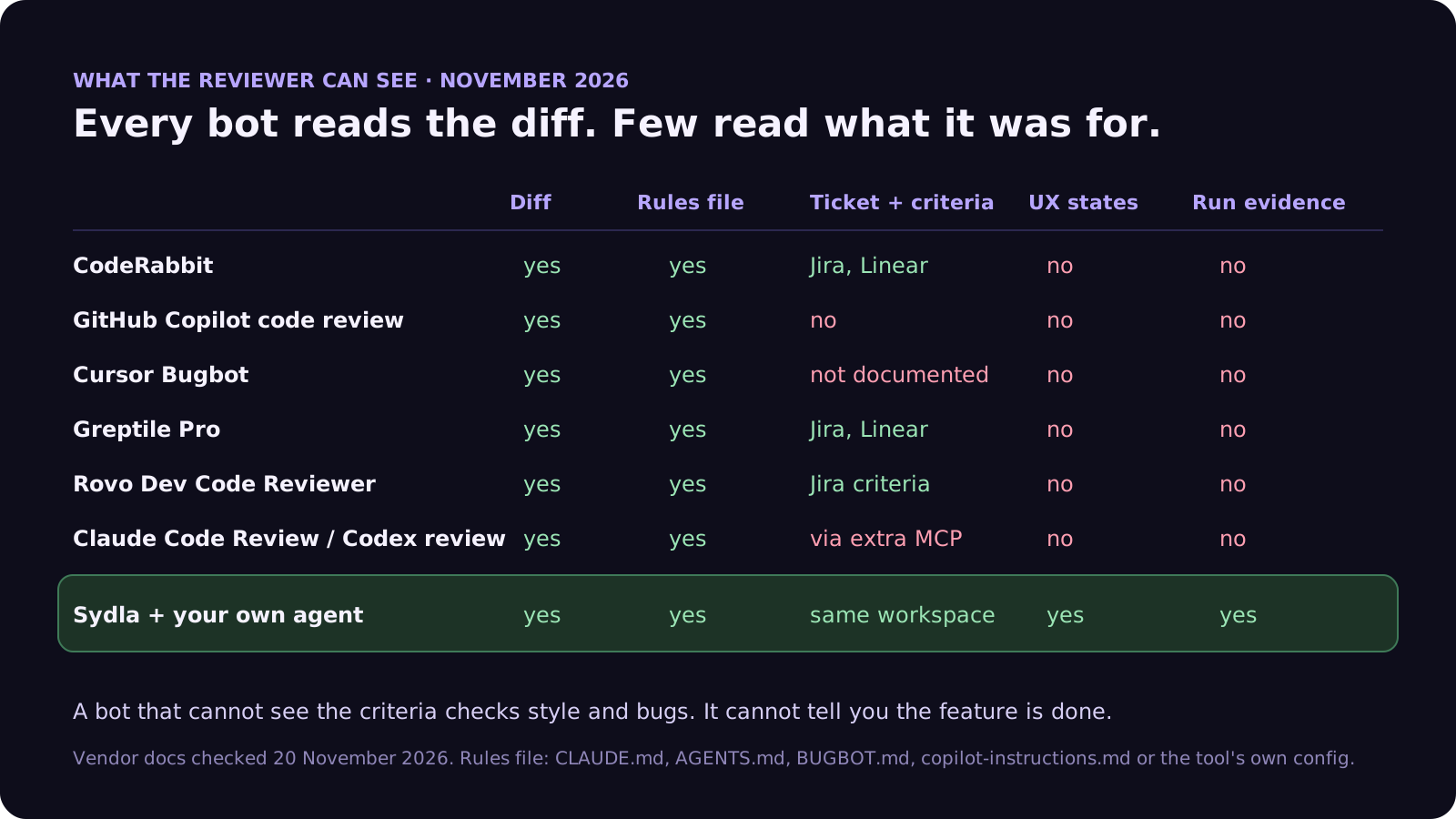
Take three developers who run Claude Code or Codex and open 120 agent PRs a month between them. Using the published figures: CodeRabbit Team costs 3 × $48 = $144 a month billed yearly, whatever the volume. Copilot code review at Balanced depth is about 120 × $1.50 = $180 in credits plus Actions minutes. Bugbot at its average is roughly $120 to $180. Greptile at the middle depth is 120 × 3 = 360 credits, or $360. Claude Code Review at the launch average would be $1,800 to $3,000, which is why Anthropic ships a monthly spend cap. GitLab Duo Lite is 120 × $0.25 = $30.
The cheapest line is not the whole bill. Each of these reviewers still needs the brief, the criteria and the states from somewhere else, and each of those tools has its own seat and meter.
Adding a review bot adds a seventh meter
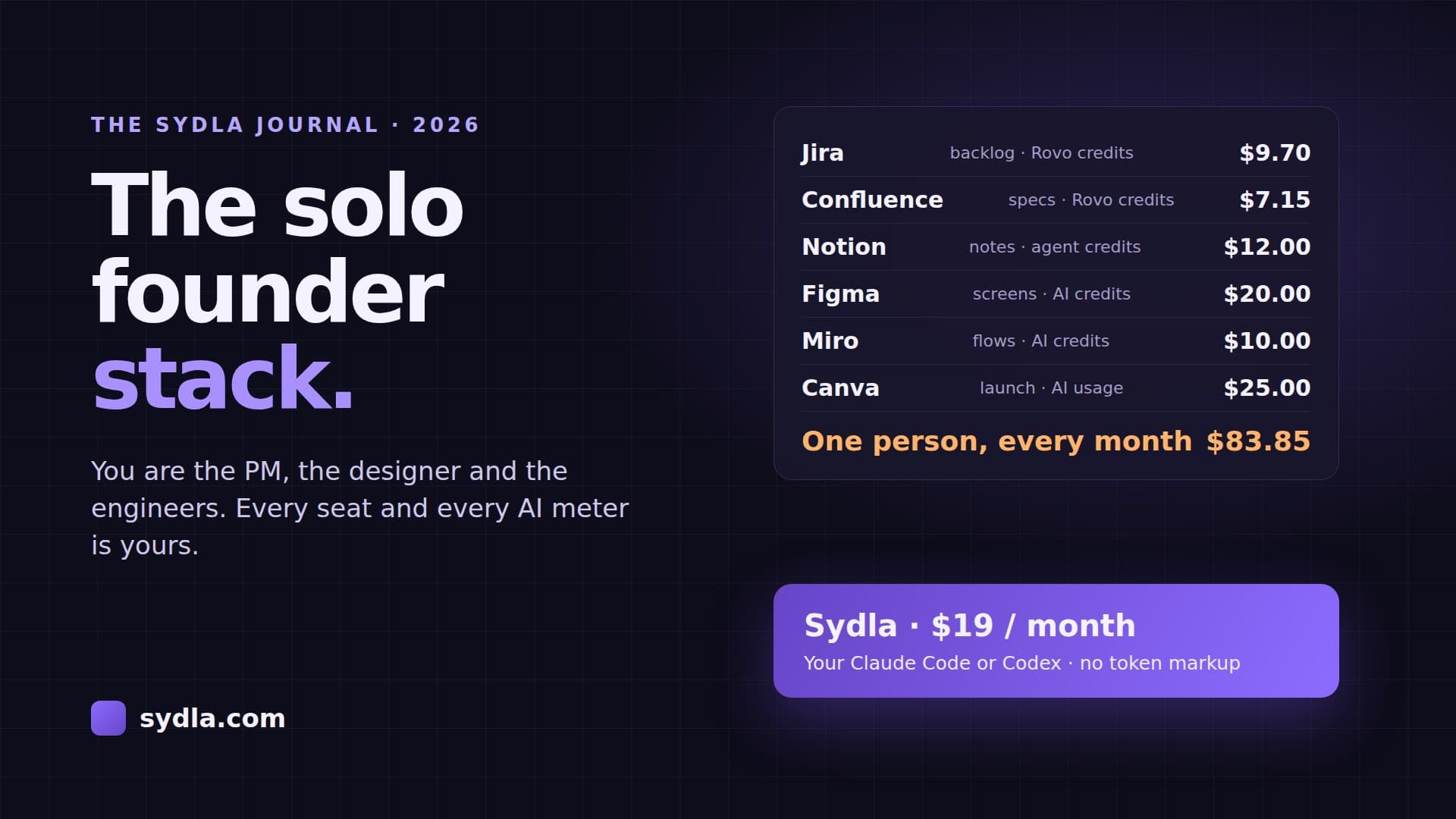
Here is one paid seat of the typical product stack next to Sydla. Each tool has its own page on our comparison hub.
| Tool and plan | Seat / month | Built-in AI billing | What the reviewer needs from it |
|---|---|---|---|
| Jira Standard | $9.70 | 25 Rovo credits per user per month, pooled | The ticket and acceptance criteria |
| Confluence Standard | $7.15 | 25 Rovo credits per user per month, same pool | The spec and decisions |
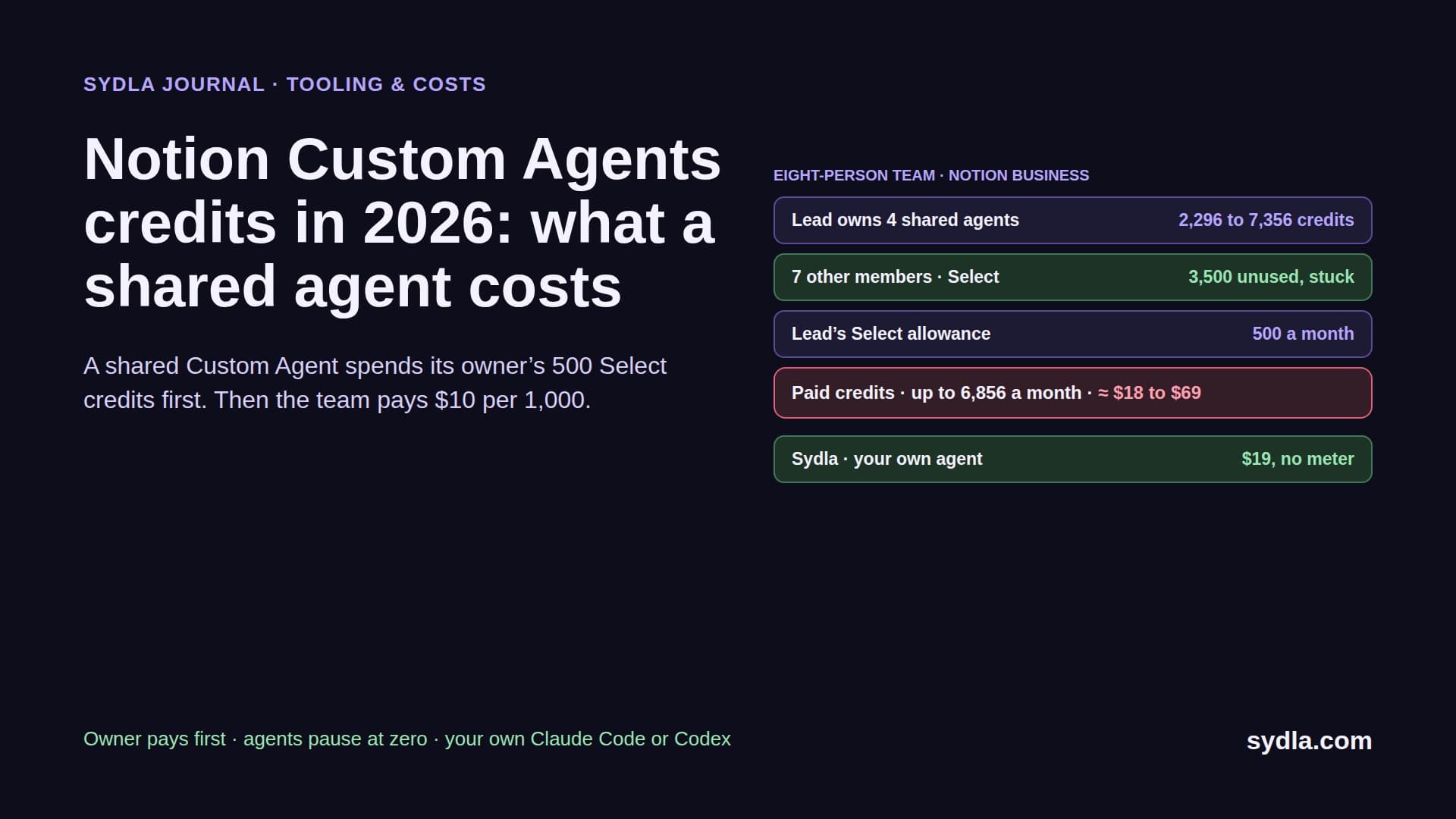
| Notion Plus | $12.00 | Custom Agents need Business or Enterprise, then $10 per 1,000 credits | Notes and research |
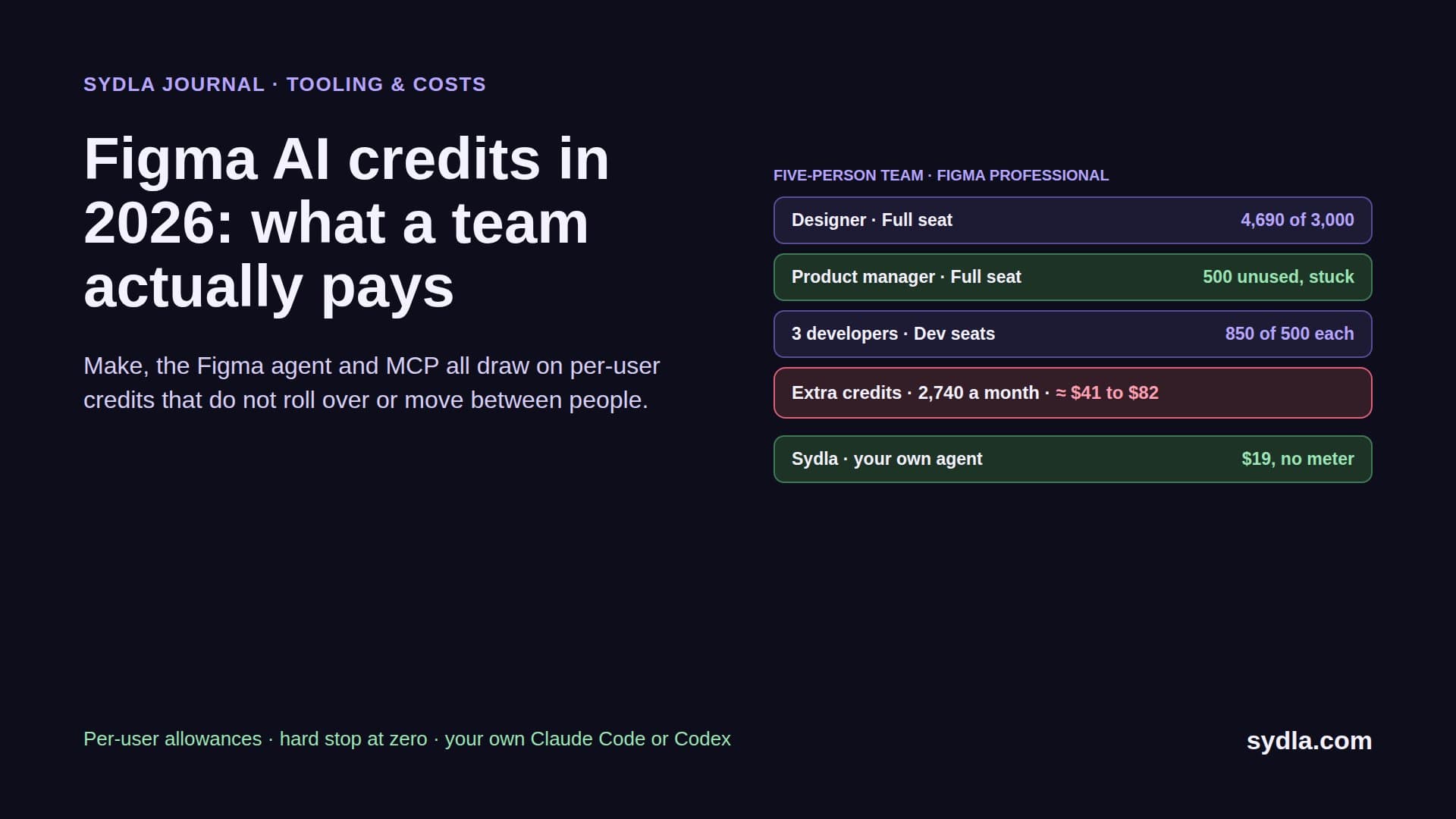
| Figma Professional, Full seat | $20.00 | 3,000 AI credits a month, personal; MCP 200 calls a day | Screens and states |
| Miro Starter | $10.00 | 25 AI credits per seat a month, pooled | Flows and edge cases |
| Canva Business | $25.00 | Personal AI allowance; top-ups or AI Pass at $100 | Launch visuals |
| Six-tool total | $83.85 | Six meters, plus a review bot, plus your coding agent | Six context hops per review |
| [Sydla](/) | $19.00 | None: your own Claude Code or Codex plan pays for the model | One workspace: brief, criteria, states, runs and evidence |
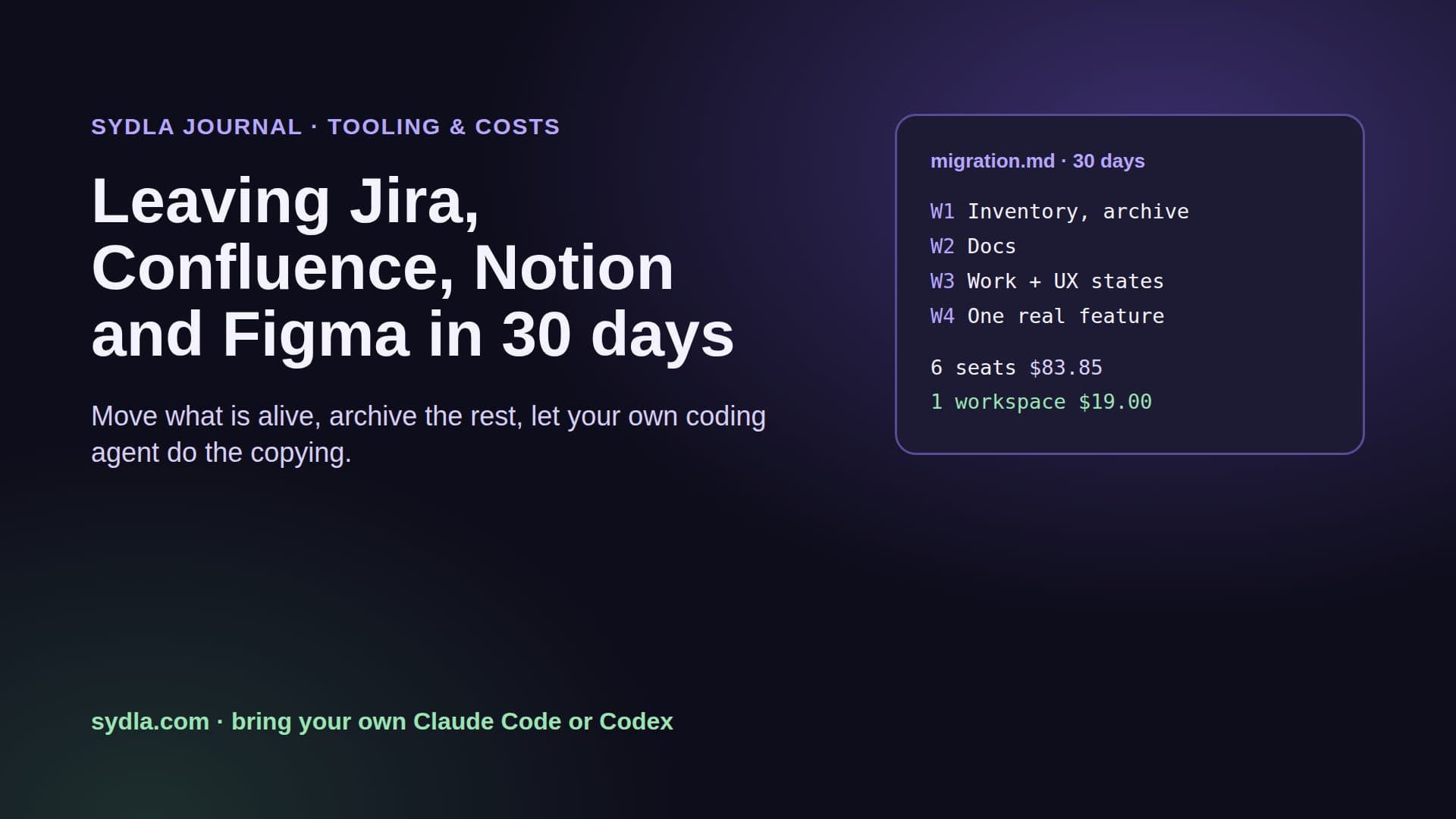
That is $64.85 per user per month less than the six-tool stack, before any review bot or extra credits. See the pricing section for details, or start your $19/mo AI SDLC workspace and keep your Claude Code and Codex accounts.
Walkthrough: evidence-backed review with your own agent
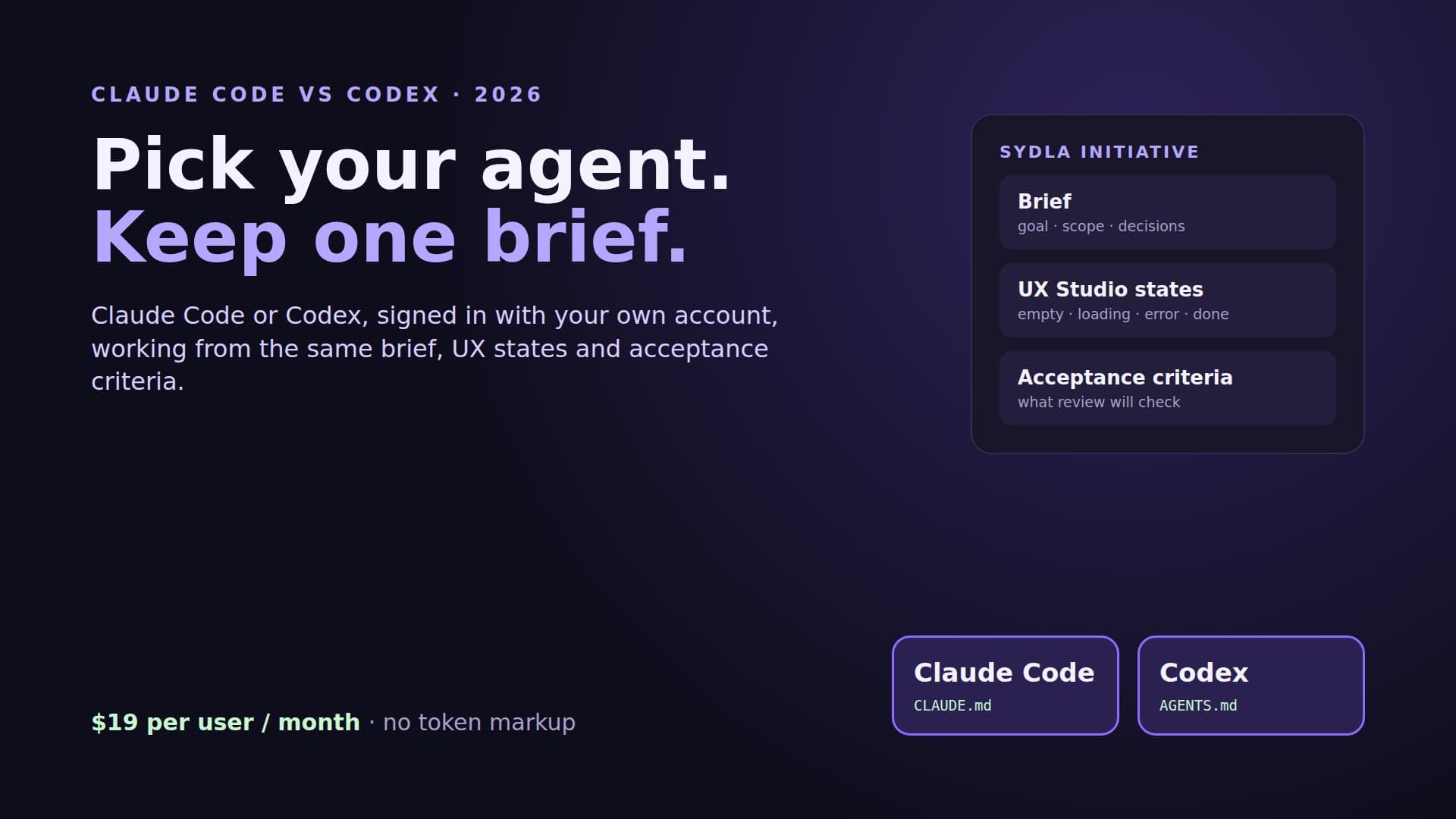
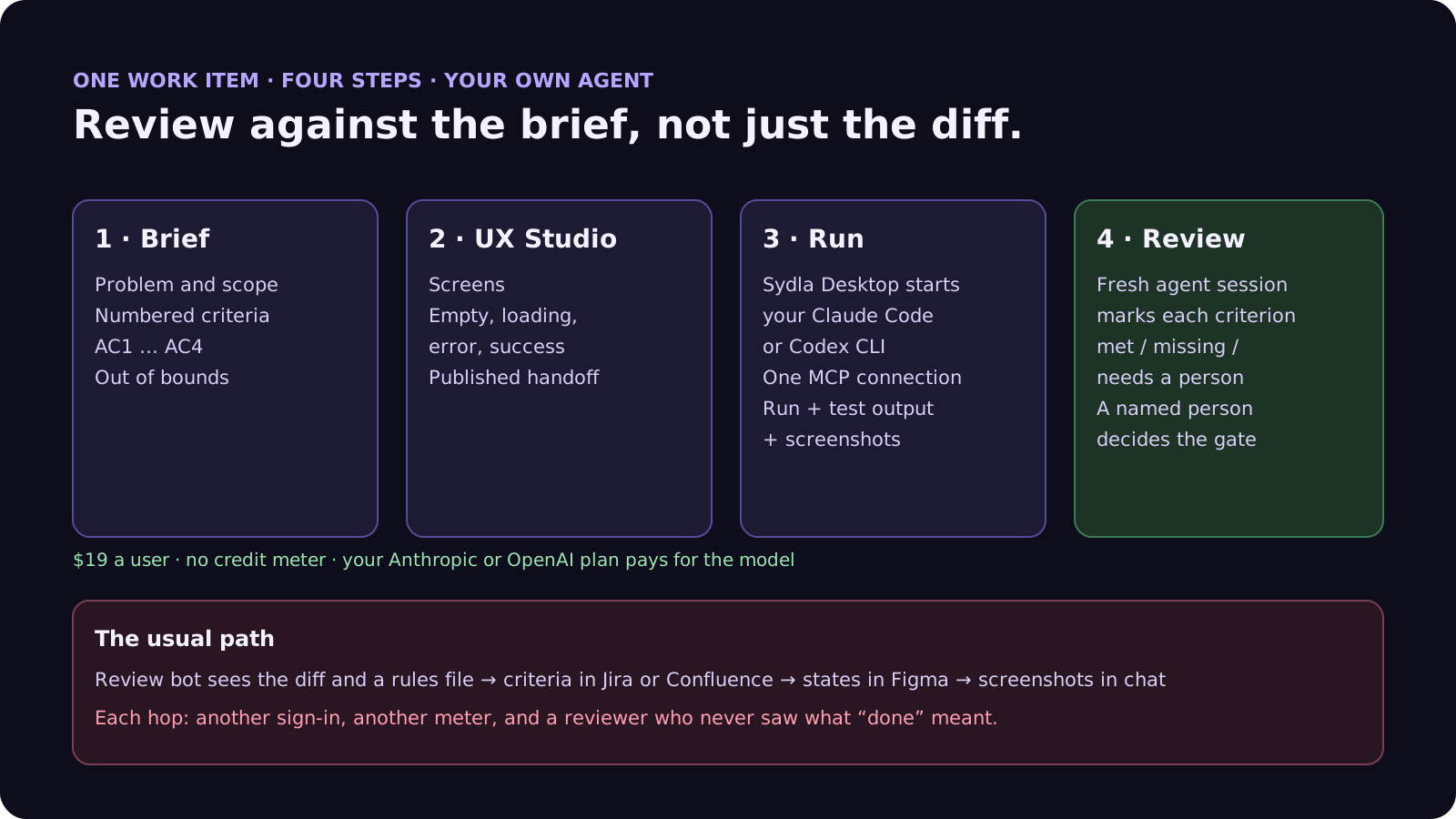
Here is how review works when the context lives in one place. The agent is your own Claude Code or Codex, signed in with your Anthropic or OpenAI account, so there is no markup on the model and no Sydla credit meter.
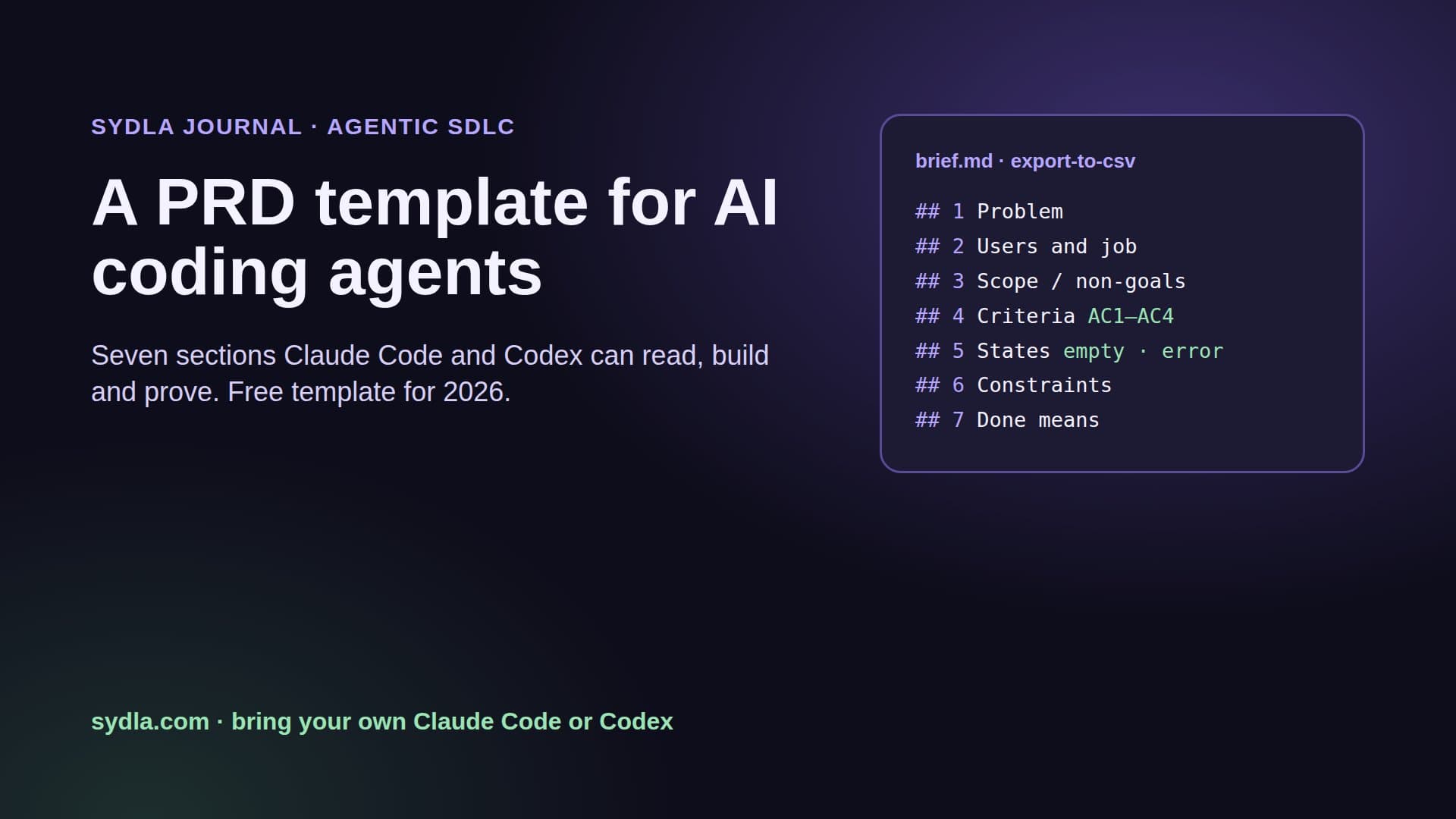
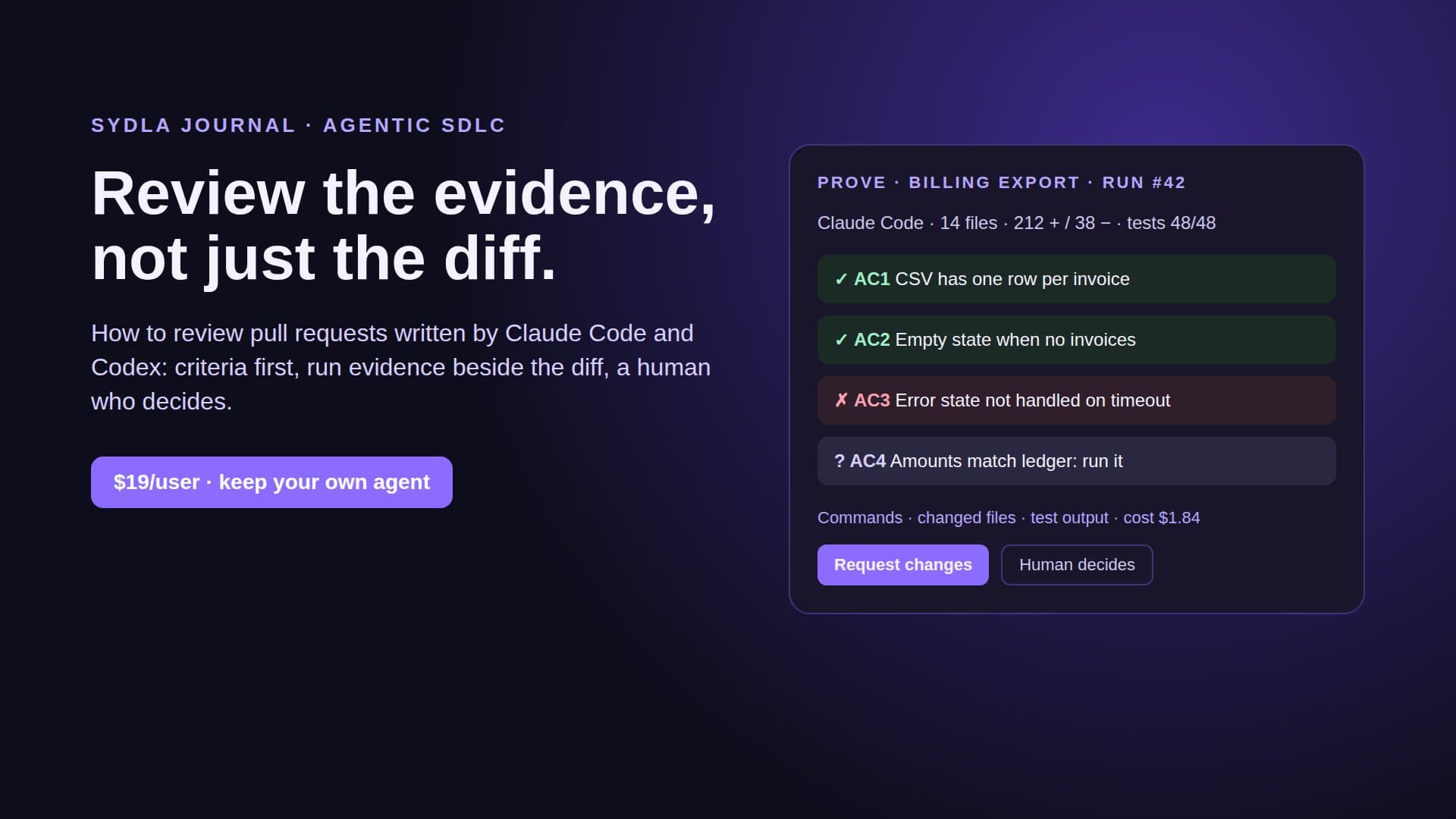
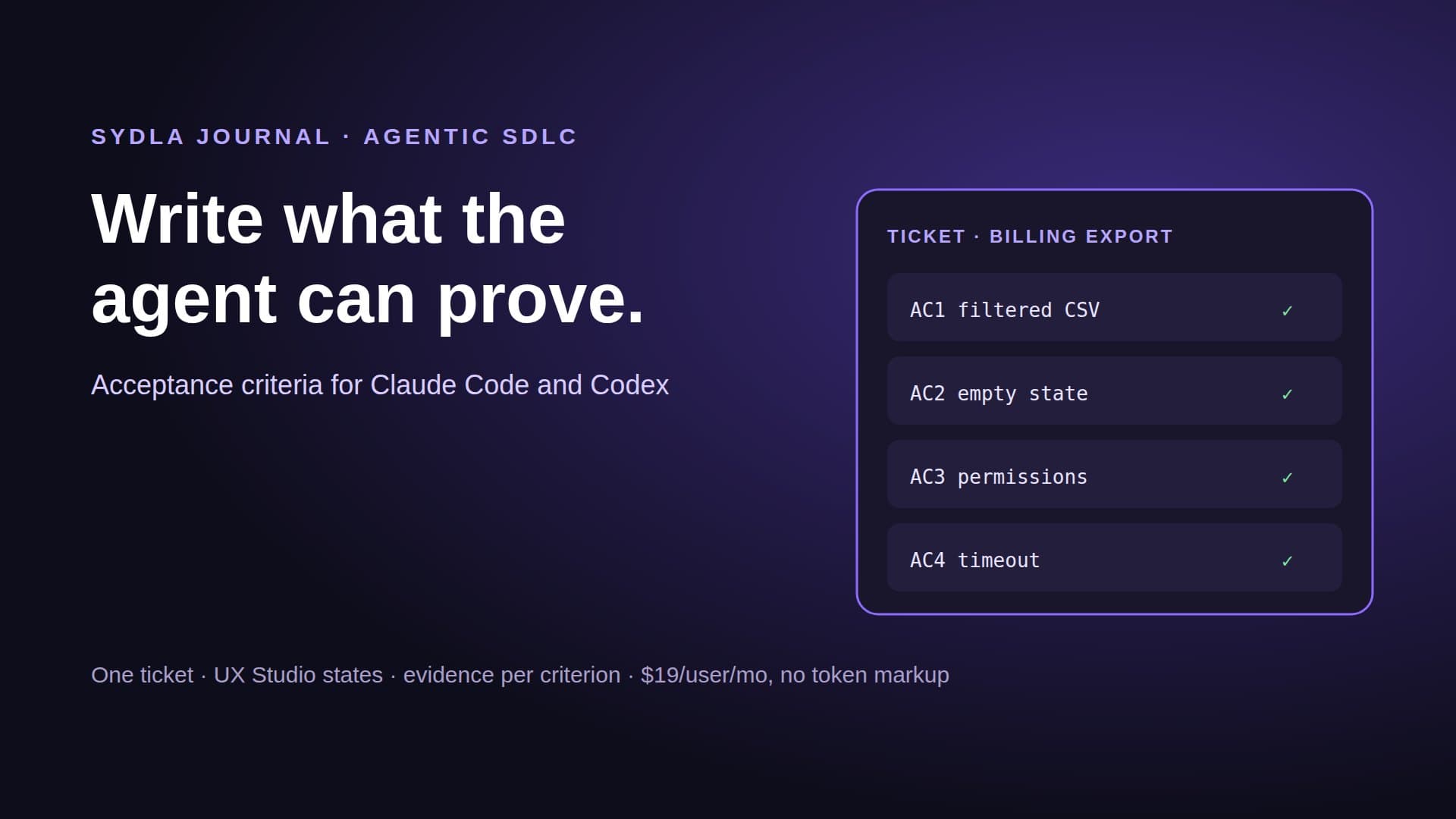
- Write numbered criteria in the brief. Each criterion is a sentence a reviewer can check, such as: AC3, an account with no invoices sees the empty state, not an error. Our acceptance criteria guide has six rules for writing them.
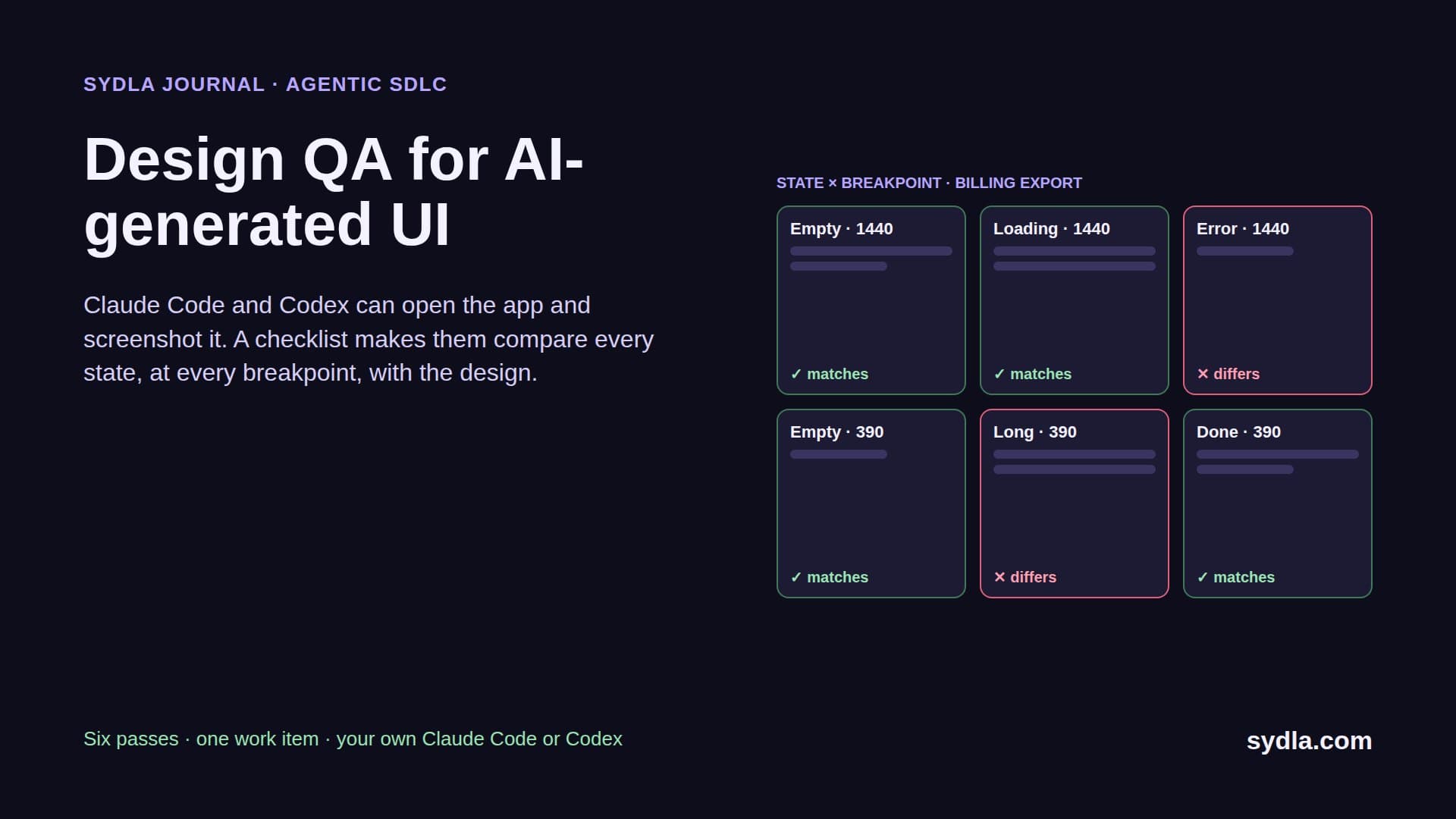
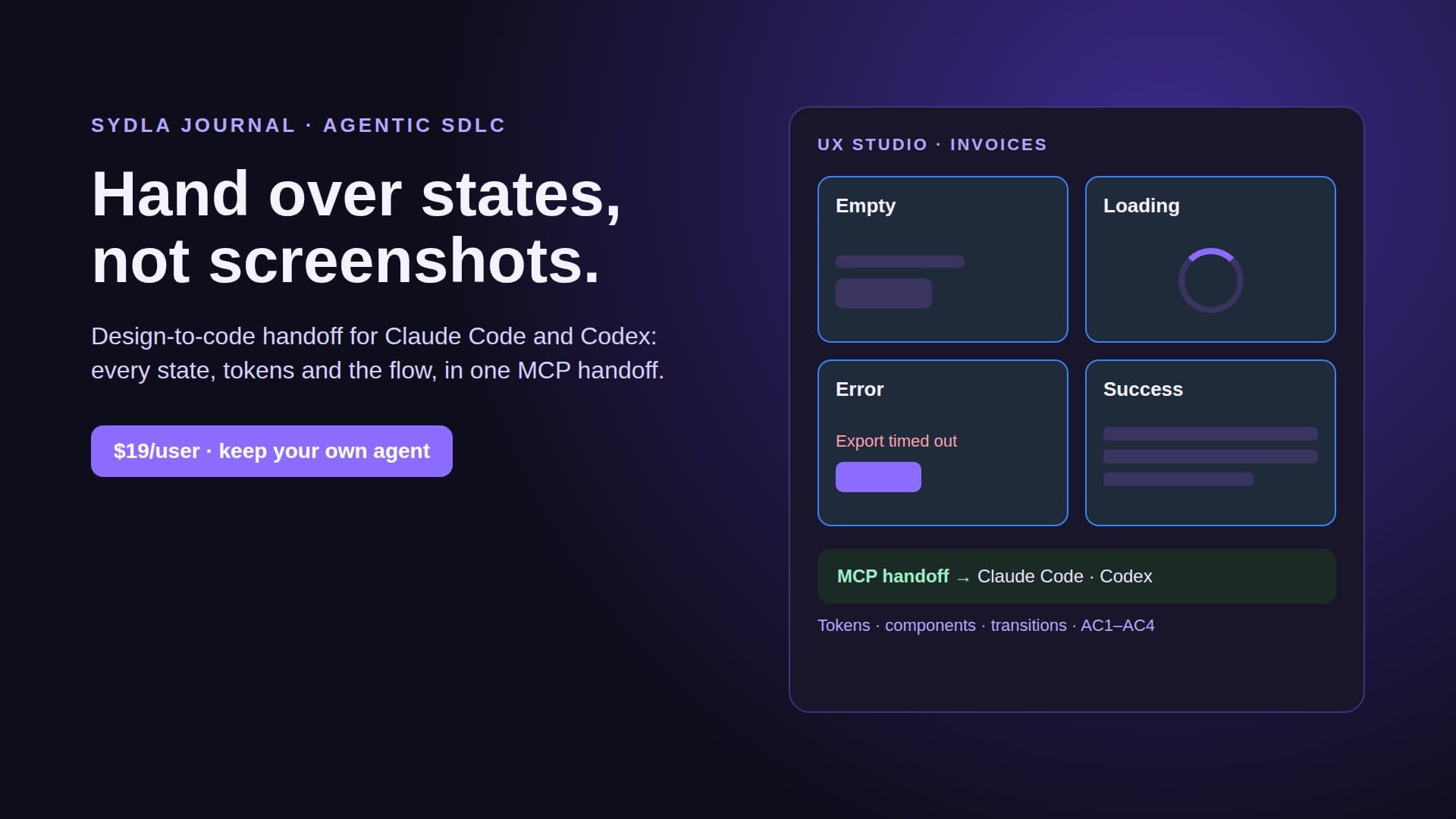
- Design the states in UX Studio. Empty, loading, error and success each get a screen and a published handoff, so the reviewer can compare what was built with what was designed. The design handoff guide covers this step.
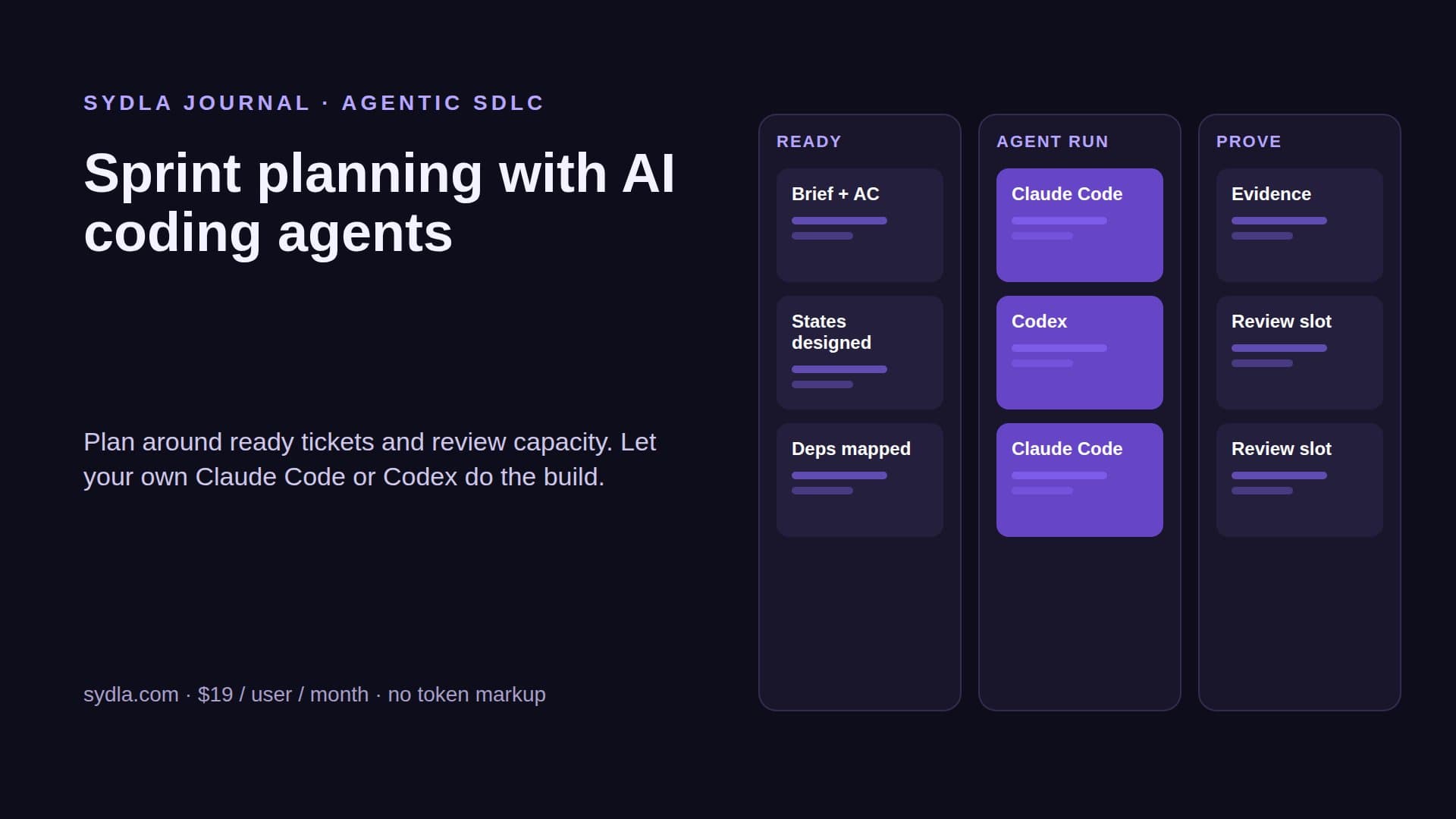
- Run the agent in Sydla Desktop. Desktop starts the Claude Code or Codex CLI installed on your machine, in your checkout. The agent reads the brief and the states over one Sydla MCP connection, builds, runs the tests and records the run with its test output and screenshots. The Desktop guide covers the first run.
- Review in a fresh session. Start a second agent session that did not write the code, read-only, and ask it to mark each criterion met, missing or needs a person, citing the evidence. Run /code-review or @codex review on the diff as well if you like: they catch different bugs.
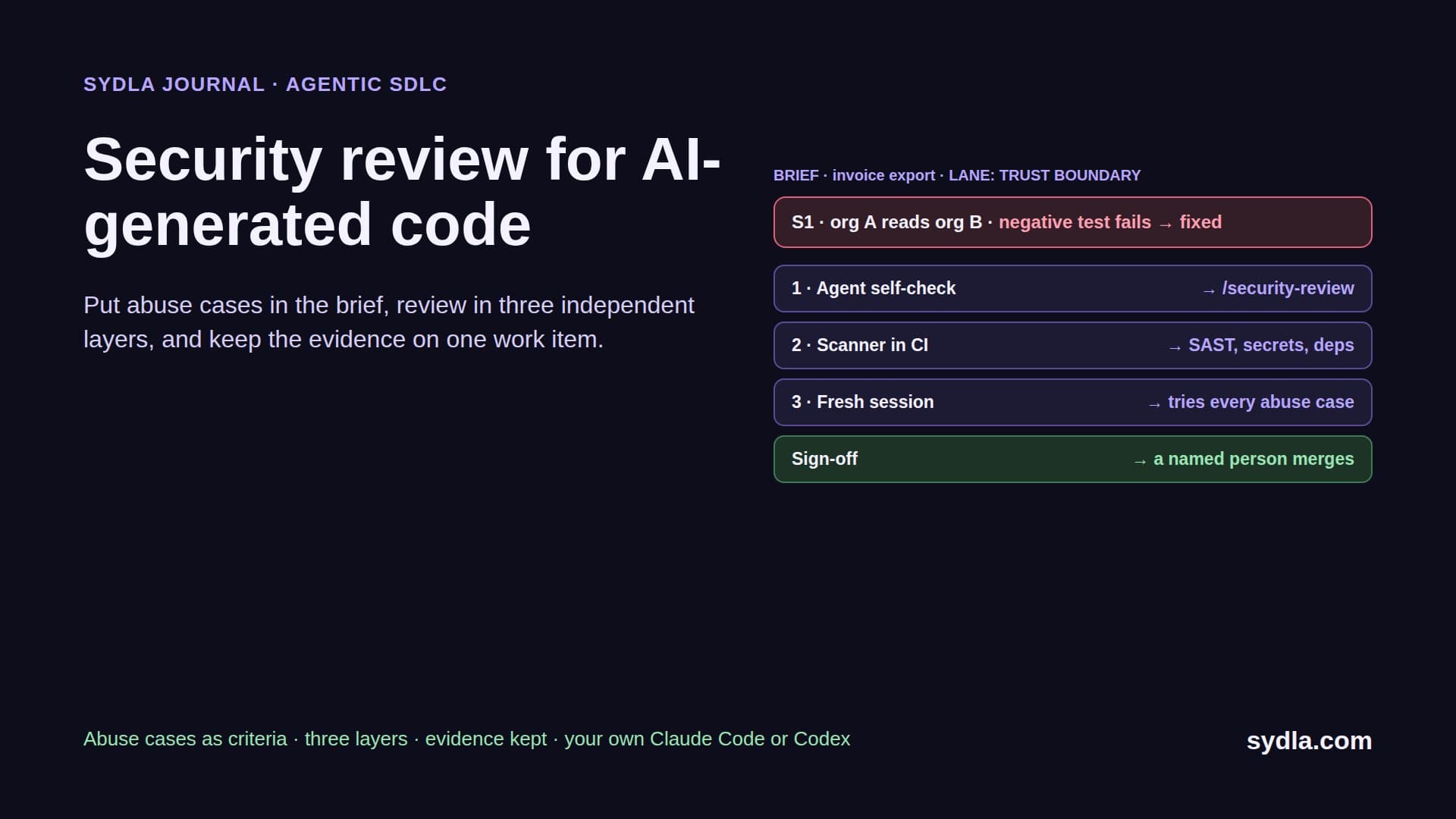
- A person decides the gate. The agent can request the gate. Only a named person approves it, with the criteria, the states, the diff and the evidence on one page. Our security review guide adds the checks for risky changes.
Which reviewer fits which team
There is no single winner, and many teams run two reviewers: a cheap one on every PR and a deep one on risky changes.
- Already on Copilot Business: switch on Copilot code review at Lite or Balanced depth and set a budget.
- On Jira and want criteria checked by a bot: Rovo Dev or CodeRabbit with the Jira integration. Watch the credit pool from December.
- Many occasional contributors: Greptile or Bugbot, priced per review instead of per seat.
- On GitLab: GitLab Duo Lite at $0.25 a review, or Claude Code's /code-review posting to the MR.
- Already paying for Claude Code or Codex: use /code-review or @codex review inside your plan before buying anything. Keep Claude Code Review for high-risk PRs.
- Want review against the brief, the states and the evidence: keep that context in Sydla and let your own agent review against it. If you are leaving the old stack, the 30-day migration plan shows what to move first.
Frequently asked questions
What is the best AI code review tool in 2026?
It depends on how you pay and what the reviewer needs to see. CodeRabbit is the most complete standalone reviewer at $48 to $60 a developer. Copilot code review costs about $0.25 to $10 a review in AI Credits. Bugbot averages $1.00 to $1.50 a review, and GitLab Duo Lite is $0.25. If you already use Claude Code or Codex, their built-in review commands run inside your existing plan. Only CodeRabbit, Greptile and Rovo Dev read Jira or Linear criteria.
How much does Claude Code Review cost?
Claude Code Review is the managed multi-agent reviewer for Claude Team and Enterprise plans. It is billed on token usage through usage credits, separately from the plan, with a monthly spend cap set by an admin. There is no flat per-review price. Anthropic's March 2026 launch post put the average at $15 to $25 a review. The local /code-review command in Claude Code runs on any plan and counts toward your normal usage.
Does GitHub Copilot code review cost extra?
Yes, since 1 June 2026 Copilot uses usage-based billing with AI Credits. GitHub's docs estimate about $0.25 for a Lite review, $1.50 for Balanced and $10 for Max. On private repositories each review also uses GitHub Actions minutes. Copilot code review is not available on the Free plan.
Can an AI code reviewer check acceptance criteria?
Some can. Atlassian's Rovo Dev Code Reviewer reads the linked Jira work item and marks each criterion met, missing or needing a manual check. CodeRabbit pulls acceptance criteria from Jira, Linear, GitHub or GitLab issues and Azure Boards. Copilot, Bugbot, Claude Code Review and Codex review read the diff and a rules file such as AGENTS.md, but not your tickets. None of them read the designed UX states.
How does Sydla handle code review?
Sydla keeps the brief, numbered acceptance criteria, UX Studio states and every agent run with its evidence in one workspace for $19 per user per month with no credit meter. Your own Claude Code or Codex reads them over one MCP connection, a fresh session marks each criterion met or missing, and a named person decides the gate. You can still run any review bot on the pull request.